
Das Mahavidya
Introduction: The Sacred Path of the Mahavidyas
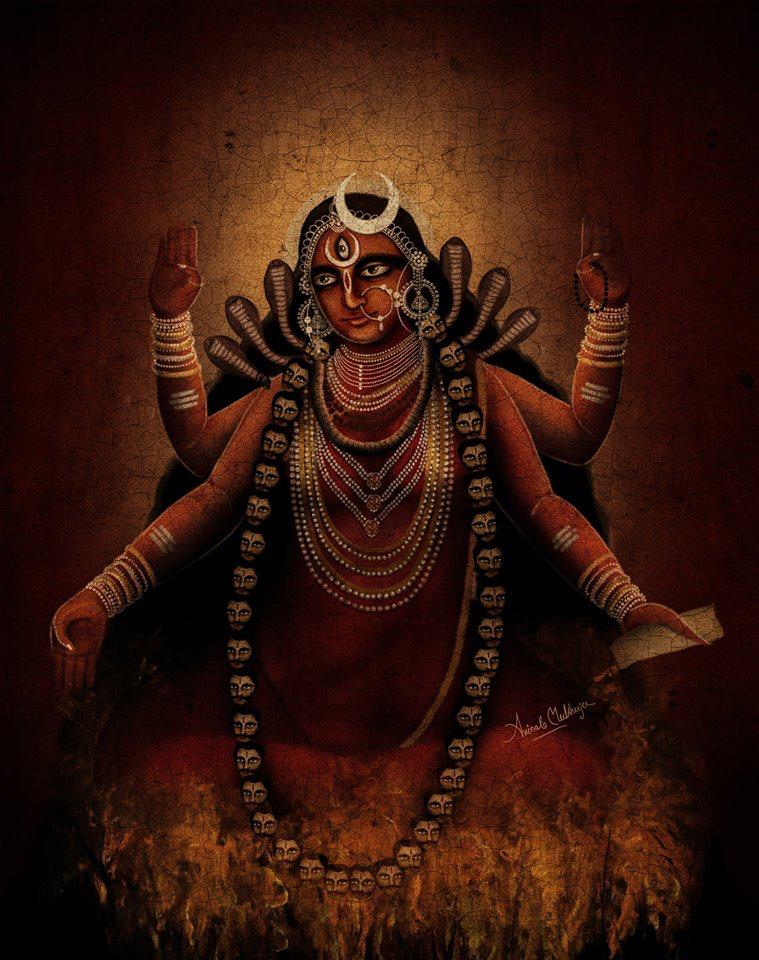
In the vast spiritual landscape of Sanatan Dharma and Tantra, the Das Mahavidyas—the Ten Great Wisdom Goddesses—stand as the most powerful embodiment of Divine Feminine energy (Shakti). These ten forms are not just mythological deities but represent ten distinct paths of spiritual evolution, psychological transformation, and cosmic energy flow.
Rooted deeply in Tantric scriptures, the Mahavidyas are fierce, compassionate, wild, maternal, wrathful, and liberating—all at once. They represent the total spectrum of human experience, from the darkest ignorance to the highest transcendence. Their worship is not about external rituals alone but an inner mystical journey, challenging the seeker to break illusions, confront ego, and embrace divine truth.
The term “Mahavidya” means Great Knowledge or a Wisdom. Each goddess reveals a specific facet of reality, offering tools for liberation, empowerment, and transformation.
Trataka Meditation: Preparing the Inner Eye for Mahavidya Sadhana
Before approaching the intense spiritual energies of the Das Mahavidyas, the aspirant must purify the mental field and awaken inner perception. Trataka, or fixed-gaze meditation, is one of the most revered Shatkarmas (yogic purifications) that prepares the seeker for deeper Tantric practices.
By fixing the gaze on a flame, yantra, or symbolic image of the Mahavidya, the Ajna chakra is activated, thoughts are stilled, and subtle perception begins to awaken. This practice increases the power of visualization, which is a key component in Mahavidya sadhana, as each goddess has a detailed visual form, yantra, and energetic presence.
Practicing Trataka for 15–45 minutes daily for 21 to 43 days can dramatically deepen one’s mental stability, concentration (Dharana), and openness to the higher dimensions of Shakti. It’s the gateway to seeing the goddess not just in form, but as vibration, light, and inner wisdom.
The Ten Mahavidyas
1. Kali – The Primordial Time and Power of Death

Name and Meaning: Kali means “The Black One” or “She Who is Beyond Time.” She is the raw force of dissolution and transformation.
Divine Symbolism and Attributes: Depicted with wild hair, garland of skulls, blood-red tongue, and standing on Shiva. She is time, destruction, and the fierce protector of Dharma.
Spiritual Significance: Kali removes ego, attachments, and illusions. She initiates inner death to make room for spiritual rebirth.
Visualization and Mantra:
Visualize her standing in a cremation ground, sky-clad, radiating dark blue-black energy.
Mantra: “Om Krim Kalikaye Namah”
Sadhana Methods: Night-time worship, Kali Yantra meditation, and 108-japa using red hibiscus flowers. Often practiced during new moons.
Inner Transformation: Kali breaks fear, cuts attachments, and births spiritual courage and freedom.
2. Tara – The Compassionate Savior and Guiding Wisdom
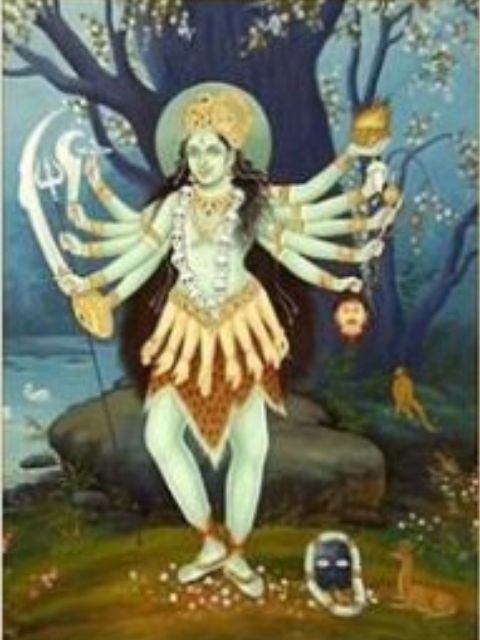
Name and Meaning: Tara means “Star” or “Savior.” She is the guiding light through chaos and danger.
Divine Symbolism and Attributes: She holds a scimitar, lotus, blue lotus, and drinking bowl. She is fierce yet nurturing.
Spiritual Significance: Tara represents inner guidance, fearlessness, and divine speech. She helps navigate emotional turmoil and spiritual confusion.
Visualization and Mantra:
Visualize Tara standing on a corpse, surrounded by flames, blue in color.
Mantra: “Om Tare Tuttare Ture Swaha”
Sadhana Methods: Blue Tara Yantra, Trataka on Tara image, use of conch shells, chanting during dawn or midnight.
Inner Transformation: Activates throat chakra, liberates suppressed emotions, enhances intuition and divine speech.
3. Chhinnamata – The Headless Thunderbolt of Transformation
Name and Meaning: Kali means “The Black One” or “She Who is Beyond Time.” She is the raw force of dissolution and transformation.
Divine Symbolism and Attributes: Depicted with wild hair, garland of skulls, blood-red tongue, and standing on Shiva. She is time, destruction, and the fierce protector of Dharma.
Spiritual Significance: Kali removes ego, attachments, and illusions. She initiates inner death to make room for spiritual rebirth.
Visualization and Mantra:
Visualize her standing in a cremation ground, sky-clad, radiating dark blue-black energy.
Mantra: “Om Krim Kalikaye Namah”
Sadhana Methods: Night-time worship, Kali Yantra meditation, and 108-japa using red hibiscus flowers. Often practiced during new moons.
Inner Transformation: Kali breaks fear, cuts attachments, and births spiritual courage and freedom.
4. Shodashi – The Beautiful Goddess of the Three Worlds
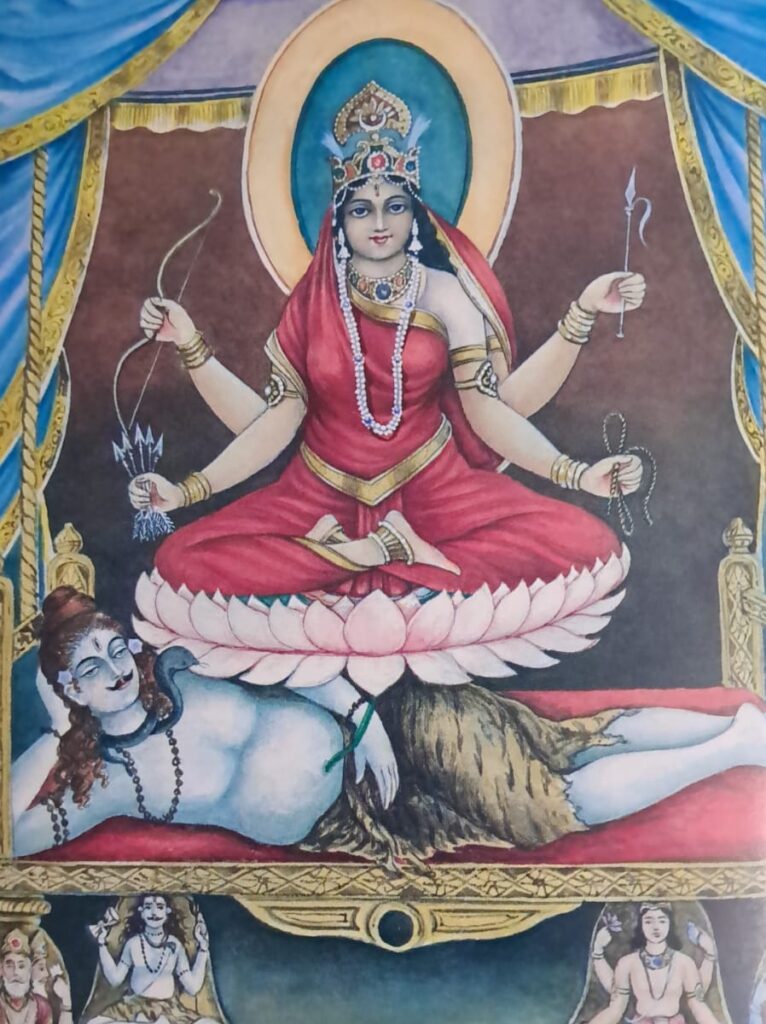
Shodashi, also known as Tripura Sundari, is the third Mahavidya and embodies divine beauty, bliss, and ultimate wisdom. The name “Shodashi” means “Sixteen”, symbolizing her youthful, perfect, and complete form. She represents the goddess who rules over the three worlds — physical, astral, and causal — and is the central deity of the Sri Vidya tradition.
She is depicted as a radiant 16-year-old goddess seated on a lotus atop Lord Shiva’s chest, holding a sugarcane bow (mind), five flower arrows (senses), a noose (attachment), and a goad (control). Her worship focuses on the Sri Yantra, a powerful geometric symbol of the cosmos and the self.
Her mantra, the Shodashi or Panchadashi mantra, is the most sacred in Sri Vidya:
“Ka e i la hrim, ha sa ka ha la hrim, sa ka la hrim”.
Shodashi grants:
Beauty, charm, and material abundance
Mastery over desires and senses
Deep bliss, spiritual elevation, and liberation
She is the highest form of the Divine Mother, combining the energies of Lakshmi, Saraswati, and Kali, and her sadhana leads to complete inner transformation and supreme realization.
5. Bhuvaneshwari – The Queen of the Cosmos
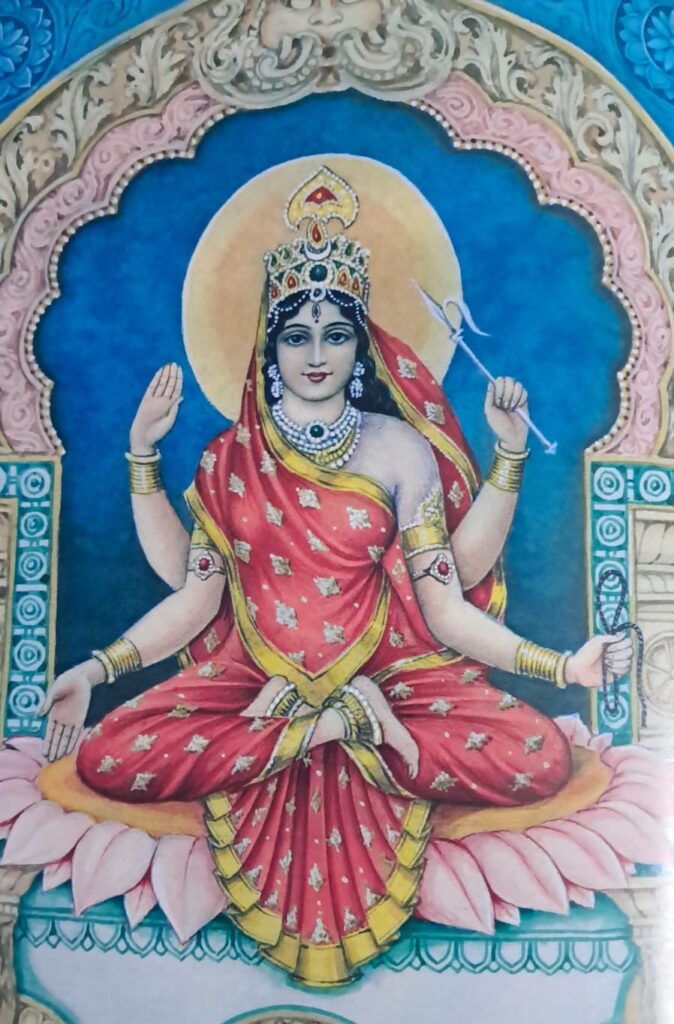
Name and Meaning: Bhuvaneshwari means “Mistress of the Worlds.” She is the sovereign goddess of creation and space.
Divine Symbolism and Attributes: She is golden-red in hue, seated on a lotus, holding no weapons, her face radiating compassion.
Spiritual Significance: She represents the vastness of space and consciousness, supporting all existence. She helps dissolve limitations and expands awareness.
Visualization and Mantra:
Visualize her as encompassing all space, with stars and galaxies behind her.
Mantra: “Om Hreem Bhuvaneshwaryai Namah”
Sadhana Methods: Sky-gazing meditations, heart-centered breathwork, chanting under open skies.
Inner Transformation: Opens the heart to cosmic consciousness, nurtures peace and spiritual spaciousness.
6. Bhairavi – The Fierce Warrior of Self-Discipline
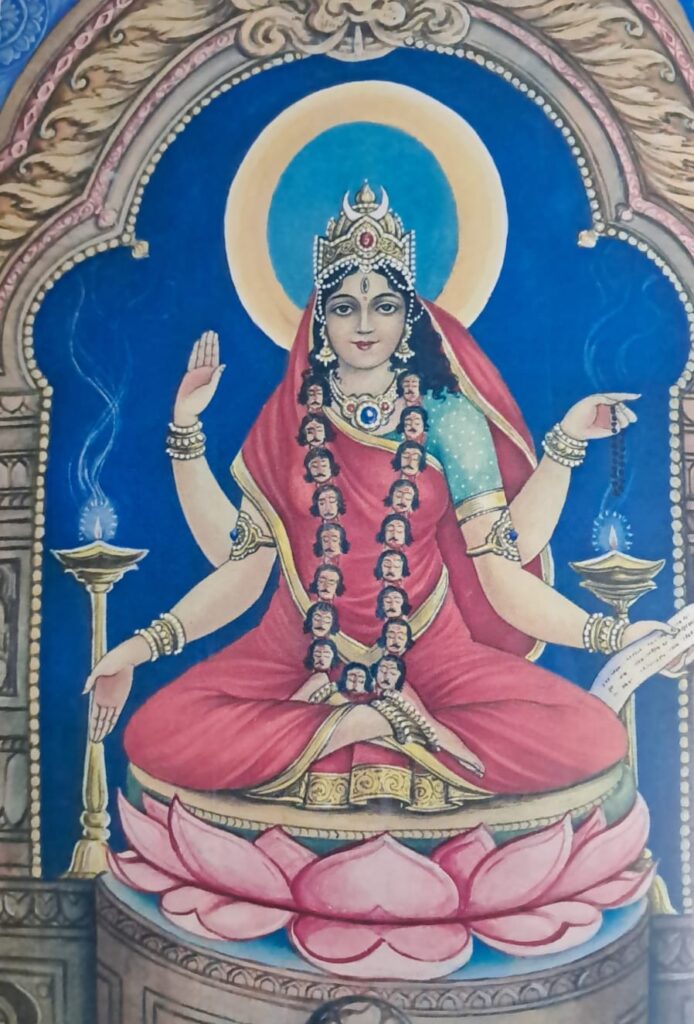
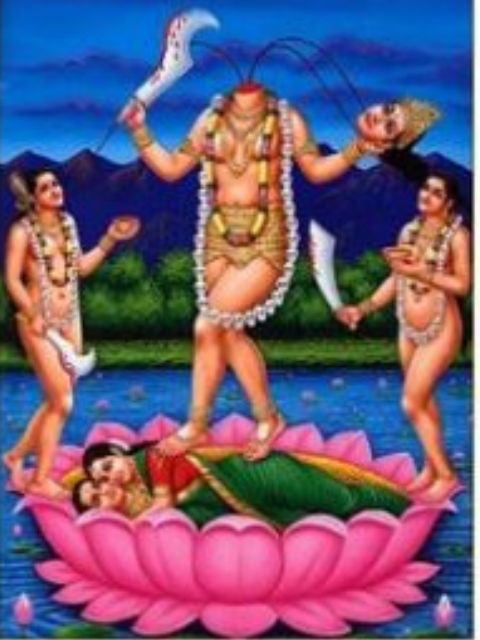
Name and Meaning: Chhinnamasta means “She who is severed-headed.” She is the embodiment of self-sacrifice and ego-death.
Divine Symbolism and Attributes: Headless, standing on Kama and Rati (desire), drinking her own blood.
Spiritual Significance: She cuts the ego at its root and awakens awareness beyond body and mind.
Visualization and Mantra:
Visualize a blazing red goddess with severed head, pouring energy into her devotees.
Mantra: “Om Hreem Chhinnamastayai Namah”
Sadhana Methods: Practiced with caution under guidance, use of blood symbolism, symbolic offerings.
Inner Transformation: Radical ego-death, detachment, and awakening of the central channel (Sushumna).
7. Dhumavati – The Widow Goddess of Emptiness and Detachment
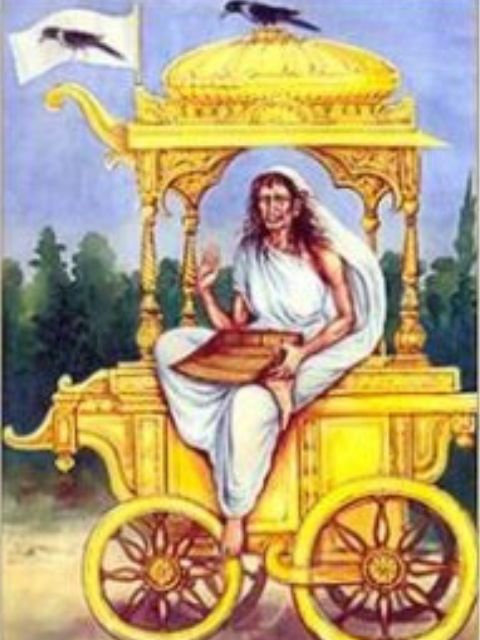
Name and Meaning: Dhumavati means “The Smoky One.” She is the inauspicious, yet deeply liberating form.
Divine Symbolism and Attributes: Old, wrinkled, smoky aura, riding a chariot without horses, symbol of death and detachment.
Spiritual Significance: She teaches the reality of impermanence, sorrow, and spiritual independence.
Visualization and Mantra:
Visualize her seated in silence, surrounded by smoke and silence.
Mantra: “Om Dhum Dhum Dhumavati Swaha”
Sadhana Methods: Meditation during twilight hours, solitude retreats, detachment practices.
Inner Transformation: Wisdom through suffering, liberation from clinging, entering the void.
8. Baglamukhi – The Paralyzer of Enemies and Speech
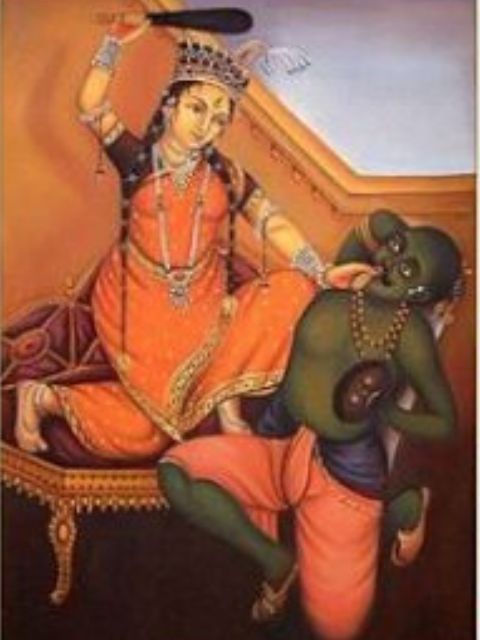
Name and Meaning: Baglamukhi means “She who seizes the tongue.” She stops harmful energies and thoughts.
Divine Symbolism and Attributes: Yellow-clad goddess holding a club and tongue of a demon.
Spiritual Significance: Goddess of power over speech, mind, and adversaries. Ideal for protection and silence.
Visualization and Mantra:
Visualize her glowing with golden light, silencing chaos with a single gesture.
Mantra: “Om Hleem Baglamukhi Sarva Dushtanam Vacham Mukham Padam Stambhaya Jivha Kilaya Budhim Vinashay Hleem Om Swaha”
Sadhana Methods: Performed with yellow items, turmeric, and great care. Often done for justice and silence.
Inner Transformation: Mental focus, control over speech, and protection from negativity.
9. Matangi – The Outcast Goddess of Inner Voice and Intuition
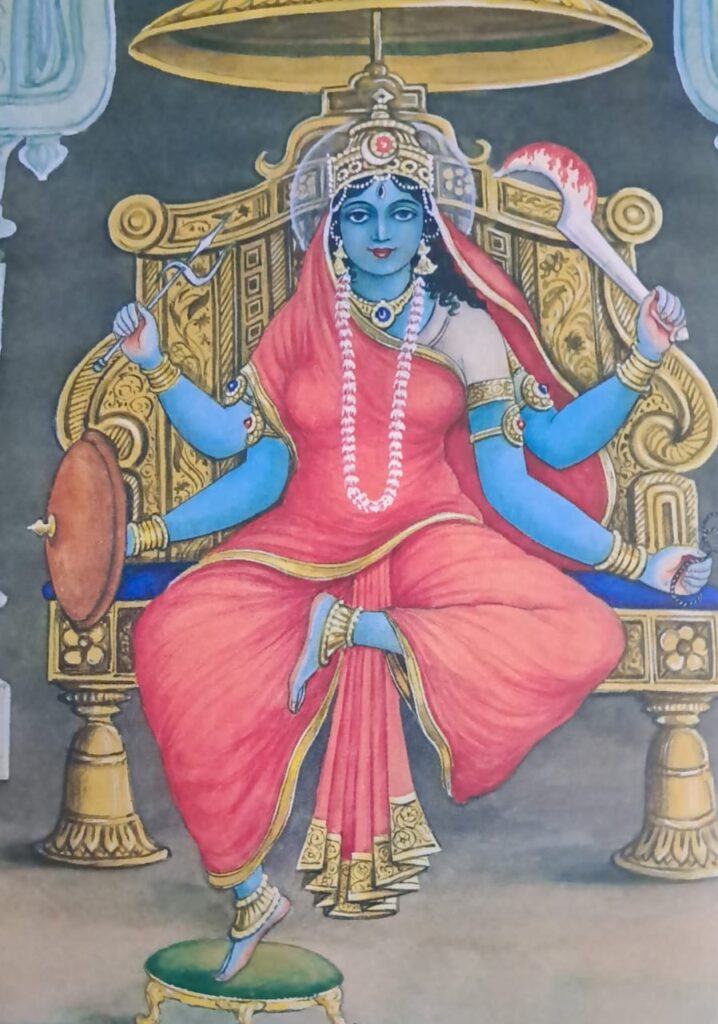
Name and Meaning: Matangi means “The Tantric Saraswati.” She is patroness of art, speech, and mystical knowledge.
Divine Symbolism and Attributes: Green in color, playing veena, seated with parrots, symbols of communication.
Spiritual Significance: Governs the subconscious mind, intuitive speech, and creative expression.
Visualization and Mantra:
Visualize her seated under a tree, surrounded by sounds of nature, radiating green light.
Mantra: “Om Hreem Aim Shreem Namo Bhagavatyai Ucchishtachandalini Matangyai Namah”
Sadhana Methods: Music meditations, mantra japa after food, unorthodox rituals invoking inner power.
Inner Transformation: Freedom of self-expression, clairaudience, and mastery over creative power.
10. Kamala – The Lotus Goddess of Wealth and Fulfillment
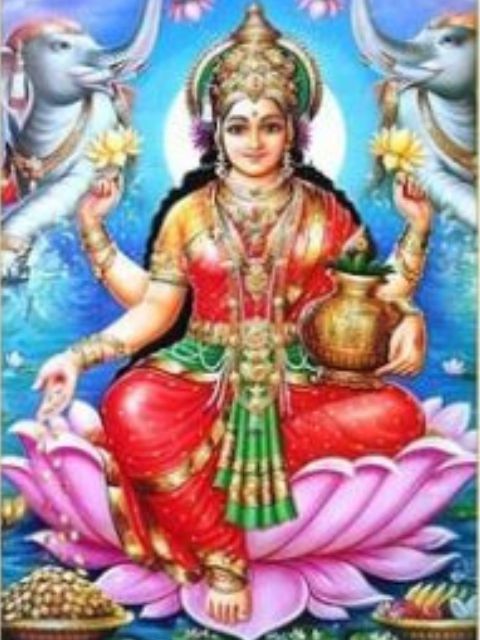
Name and Meaning: Kamala means “She of the Lotus.” She is the Tantric form of Lakshmi.
Divine Symbolism and Attributes: Seated on a lotus, golden-skinned, surrounded by elephants showering nectar.
Spiritual Significance: Bestows material abundance, spiritual prosperity, and divine grace.
Visualization and Mantra:
Visualize her seated on a lotus pond, golden aura, raining blessings.
Mantra: “Om Shreem Hreem Kleem Kamalayai Namah”
Sadhana Methods: Lotus offerings, abundance meditations, Sri Sukta chanting.
Inner Transformation: Removes scarcity mindset, opens heart to grace, attracts inner and outer abundance.
The Supreme Wisdom of the Ten Goddesses
The Das Mahavidyas are not worshipped to gain external power but to awaken inner truth. They are mirrors—sometimes gentle, often fierce—that strip away illusion, ego, and ignorance. Through Trataka, visualization, mantra, and consistent sadhana, the seeker begins to perceive them not as outer deities, but as inner awakenings—each Mahavidya representing a milestone on the journey to spiritual freedom.
True devotion to the Mahavidyas is a commitment to truth over comfort, soul over ego, and wholeness over fragmentation. When approached with humility, purity, and perseverance, the Das Mahavidya sadhana becomes a gateway to moksha (liberation), siddhi (spiritual powers), and shuddha vidya (pure knowledge).
Das Mahavidya Sadhana
( Advance Course )
( By Yog Guru Shree Ashish Yogi Ji )
We offer guided LIVE Das Mahavidya Sadhana sessions, personalized coaching, and a complete Das Mahavidya Sadhana Course to help you accelerate your journey safely and effectively.
