
Kundalini Sadhana
Introduction to Kundalini Energy

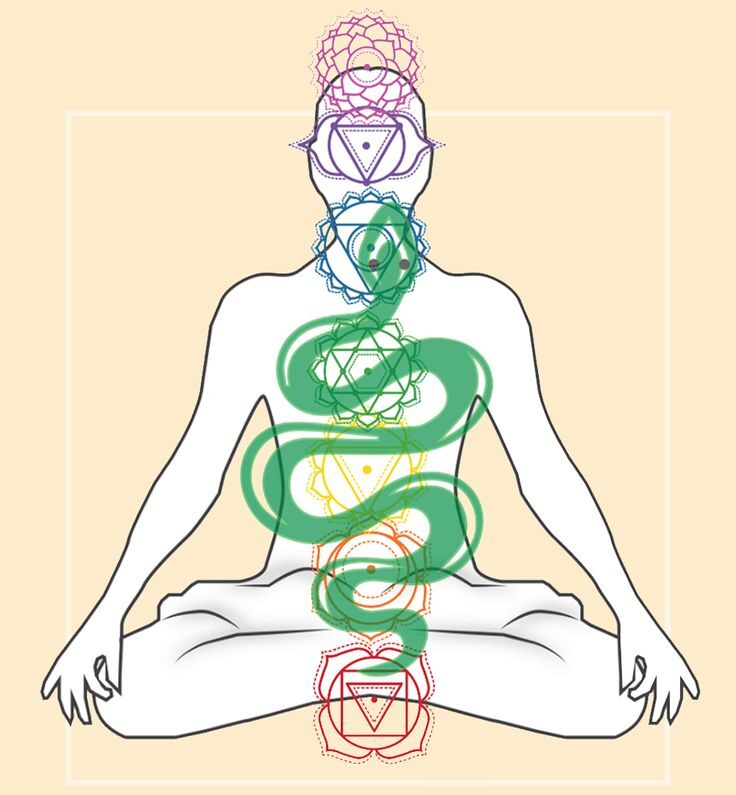
Kundalini is a Sanskrit term meaning “coiled snake.” It refers to the latent spiritual energy believed to reside at the base of the spine (in the Muladhara Chakra). In yogic philosophy, this energy lies dormant until it is awakened through disciplined practice. Once awakened, it travels upward through the Sushumna Nadi, activating the seven chakras and leading to expanded states of consciousness and spiritual liberation (moksha).
This awakening process is known as Kundalini Shakti Udbhava and is considered one of the most powerful transformations in the yogic path.
Historical and Scriptural Background
The concept of Kundalini is deeply rooted in ancient Indian spiritual traditions, particularly in:
Tantra: Describes Kundalini as Shakti, the dynamic energy of the Divine Feminine.
Hatha Yoga Pradipika (15th century): Discusses techniques to awaken Kundalini through asana, pranayama, and mudra.
Shiva Samhita and Gheranda Samhita: Ancient texts on yoga detailing energy channels and the awakening process.
Upanishads (especially Yoga Kundalini Upanishad): Refer to subtle body practices and meditative absorption.
Sri Vidya and Kaula Tantra: Emphasize the union of Shiva (consciousness) and Shakti (energy) through internal alchemy.
In modern times, Kundalini meditation has been popularized by spiritual teachers like Swami Sivananda, Swami Satyananda Saraswati, Yogi Bhajan, and Sri Aurobindo, blending ancient methods with contemporary understandings.
The Subtle Body Framework

Kundalini meditation relies on understanding the subtle body:
Nadis: Energy channels (main ones are Ida, Pingala, and Sushumna)
Chakras: Seven main energy centers from the base of the spine to the crown of the head
Bindu, Nada, and Prana: Subtle energies of sound, light, and life-force involved in awakening
Granthis (Knots): Energetic blocks—Brahma Granthi, Vishnu Granthi, Rudra Granthi—that must be pierced during the rising
Benefits of Kundalini Meditation
Primary Goals:
Spiritual liberation (moksha)
Union of Shiva (pure consciousness) and Shakti (creative energy)
Activation of the full human potential
Key Benefits:
Heightened self-awareness and intuition
Deep inner peace and mental clarity
Expansion of consciousness and bliss states (ananda)
Balancing of hormones and nervous system
Enhanced creativity, vitality, and emotional stability
Healing of deep psychological patterns

Preparatory Practices
(Purification and Readiness)
Awakening Kundalini prematurely without preparation can be dangerous. These preliminary practices help purify body and mind:
Shatkarmas (Yogic Cleansing): Neti, Nauli, Basti, Dhauti, Kapalabhati, etc.
Yama & Niyama: Ethical guidelines to stabilize the mind
Asanas (Postures): Especially those that activate the spine and pelvis (e.g., Siddhasana, Padmasana, Vajrasana)
Pranayama: Techniques like Nadi Shodhana (alternate nostril breathing) and Bhastrika for cleansing nadis
Diet & Lifestyle: Sattvic food, celibacy or moderation, reduced stimulation
Meditative Concentration (Dharana): Trataka, japa (mantra repetition), and candle-gazing to develop focus
Kundalini Meditation Techniques
Mantra-Based Kundalini Meditation
Mantras such as “Sat Nam,” “Om Aim Hreem Kleem,” or Beej mantras of chakras
Repetition (japa) aloud or silently
Use of mala (rosary) and focus on the Ajna Chakra (third eye)
Breath and Visualization Technique
Sit in a steady meditative posture
Inhale deeply and visualize energy coiled at the base of the spine
Exhale while imagining it rising upward through each chakra
Use chakra bija mantras (e.g., LAM, VAM, RAM) at each level
Kriya and Dynamic Movement
Involves breath patterns, movement, mudras, bandhas, and chanting
Series of kriyas are done to awaken and guide the energy upward
Often combined with breath of fire, Sat Kriya, and spine flexes
Silent Awareness with Spinal Focus
Simple observation of the breath rising through the spine
Witnessing the inner sensations without interference
Leads to subtle perception of energy flows and inner light
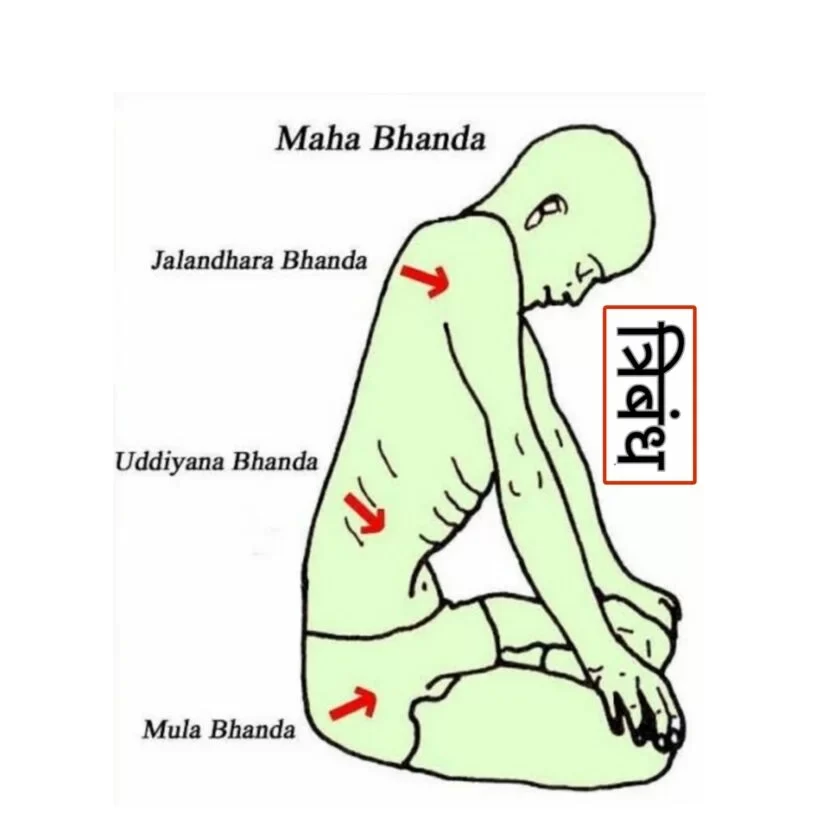
The Role of Bandhas and Mudras
Bandhas (Energy Locks)
Mula Bandha (root lock): Contracts perineum to awaken Kundalini
Uddiyana Bandha (abdominal lock): Guides energy upward
Jalandhara Bandha (throat lock): Prevents energy dissipation
Mudras (Gestures)
Khechari Mudra: Tongue lock to direct prana to the brain
Maha Mudra: Advanced spinal alignment and energy seal
Yoni Mudra: Isolation from sensory input, enhances inner awareness
The Awakening Process: Signs and Stages

Kundalini awakening can be gradual or spontaneous, and includes psychic, emotional, and physical changes:
Common Signs of Awakening:
Tingling or heat in the spine
Involuntary body movements (kriyas)
Increased creativity or dream activity
Blissful states or samadhi
Heightened sensitivity to sound/light
Three Phases (as per Tantric Yoga):
Arambha Avastha – Initiation of movement in the nadis
Ghata Avastha – Energy pierces the granthis and enters the chakras
Parichaya Avastha – Expansion of consciousness and cosmic union
Dangers, Myths, and Precautions
Potential Dangers:
Kundalini Syndrome: Headaches, paranoia, emotional instability, or physical pain
Psychological disturbances if unprepared or imbalanced
Obsession with power or visions without integration
Precautionary Measures:
Always start under guidance of a qualified teacher or lineage
Avoid practicing while mentally unstable or physically ill
Gradual progression—don’t force the energy
Stay grounded: maintain work, relationships, and health
Use self-inquiry and inner discernment (viveka)
Kundalini Integration and Daily Life
Awakening Kundalini is not the end; integration is crucial.
Post-Meditation Stillness: Allow time to absorb the energy
Grounding Practices: Walking, gardening, eating whole foods
Creative Expression: Channel energy into art, music, or service
Journaling and Reflection: Document your experiences
Seva (selfless service): Reduces ego and grounds higher states
Maintain Satsang (spiritual community) for support and balance
Kundalini meditation is not just a technique—it’s a sacred inner journey of transformation. When practiced with discipline, humility, and reverence, it becomes a path to higher consciousness, healing, and divine realization.
Kundalini is not a goal but a gateway to merging the individual self (Jivatma) with the universal consciousness (Paramatma).
Kundalini Sadhana
( Advance Course )
( By Yog Guru Shree Ashish Yogi Ji )
We offer guided LIVE Kundalini Meditation sessions, personalized coaching, and a complete Kundalini Meditation Course to help you accelerate your journey safely and effectively.
