
Advance Mantra & Yantra Sadhana Course
Mantra Sadhana
Mantra Sadhana is one of the most ancient and potent spiritual practices rooted deeply in the Vedic and Tantric traditions of Bharat. A mantra is not just a combination of syllables—it is a subtle form of energy that carries divine vibrations. When chanted with purity, devotion, and correct intention, a mantra acts as a vehicle to transcend the ordinary mind and access higher states of consciousness. Sadhana, on the other hand, is disciplined spiritual effort. Together, Mantra Sadhana becomes a sacred journey of aligning oneself with divine energies to awaken inner powers, seek protection, heal karmas, or invoke specific deities for grace.
At Tratak Meditation, this sacred practice is further enhanced through focused
techniques that improve concentration, mental clarity, and inner awareness,
helping practitioners experience deeper and more effective mantra sadhana.
Who Should Join this Course?
This course is open to anyone who wants to resolve specific problems, want deep meditations, or enhance their life through the power of Mantra and Yantra vibrations. Whether you are new to spiritual practices or already an experienced practitioner, these techniques can be tailored to your goals.
Individuals Facing Specific Life Challenges
Anyone experiencing health issues, financial blocks, relationship conflicts, or persistent negativity can benefit from a personalized mantra chanting to bring balance, clarity, and positive change.
Reiki & Pranik Healers
Reiki and Pranik practitioners can use customized Mantra and Yantras to clear energy blockages, restore vitality, and enhance the results of their healing sessions.
Vastu Experts
Vastu professionals can use Yantras to purify spaces, improve energy flow, and protect themselves while correcting environmental imbalances.
Spiritual Sadhaks
Those engaged in Deep sadhana, meditation, or energy work can amplify their spiritual progress and remove obstacles through specific Mantra and Yantras.
Astrologers
Astrologers can incorporate Mantras to balance planetary influences, resolve karmic challenges, and offer clients an effective spiritual remedy.
Therapists
Energy healers, crystal therapists, and holistic practitioners can integrate Mantras with Havan to cleanse residual energies and safeguard their own aura during intense healing work.
Mantra & Yantra Treatment Course
Starting: 6 April 2026
Importance of Guru and Initiation
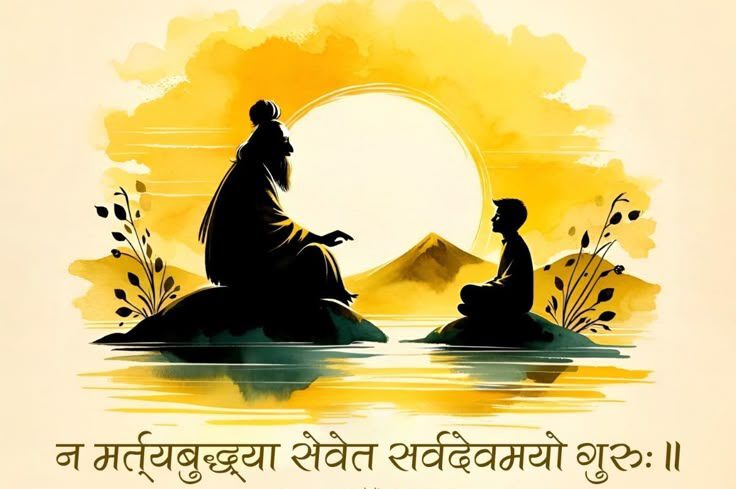
While many mantras can be chanted freely, deep and transformative mantra sadhanas often require initiation (diksha) from a realized guru or guide. This ensures proper alignment, protection, and activation of the mantra’s true potential. The guru transmits not just pronunciation, but also energy, intent, and subtle codes hidden in the syllables. Without guidance, a practitioner might misuse or wrongly interpret a mantra, leading to stagnation or even spiritual blocks.
Initiation doesn’t always have to be formal. If the mantra has been received from a trusted and spiritually evolved lineage, or if one has a strong karmic connection to it, deep effects can still be experienced. However, the blessings of a guru amplify results exponentially.
Mantra Sadhana Environment and Preparation

For effective mantra sadhana, the space and the body must be purified. A clean, calm, and energetically charged environment supports the unfolding of divine energies. The practitioner should ideally bathe before chanting, wear clean or traditional clothes, sit on a wool or kush aasan, and light a diya (lamp) to invoke Agni as the witness. Regularity in timing (especially Brahma Muhurta or Sandhya), focused attention, and devotion to the deity being invoked are key factors.
A copper lota with water, incense, specific yantras or murtis, and mental purity enhance the potency of the practice. The mantra can be chanted aloud, whispered (upanshu), or mentally (manasik japa), depending on the sadhana level.
The Science Behind Mantra
While mantras are deeply spiritual, they are also grounded in subtle science—particularly involving sound vibrations, neurobiology, energy fields, and consciousness modulation. Each syllable in a mantra is not random; it is a vibrational code designed to activate specific energy centers (chakras), harmonize the nervous system, and connect the human consciousness with universal forces.
1. Sound and Vibration
Modern science agrees that the universe is made of energy vibrating at different frequencies. Mantras are refined sound waves that interact with the energy layers of the body—especially the pranic (vital energy) and manomaya (mental) koshas. These vibrations can positively influence the resonance of the brain, heart rhythms, and cellular functions. Certain frequencies produced by mantras can even balance the left and right hemispheres of the brain, which enhances clarity, focus, emotional stability, and intuition.
2. Brainwave Alteration
Scientific studies using EEG (electroencephalogram) show that mantra chanting induces alpha and theta brainwave states—the same states accessed in deep meditation or during creative inspiration. These brainwaves are associated with inner calm, stress reduction, emotional healing, and increased neuroplasticity. The repetition of mantras also stimulates the vagus nerve, which plays a central role in regulating the parasympathetic nervous system (responsible for relaxation and healing).
3. Cellular Memory and Epigenetics
Regular chanting of mantras can affect cellular memory and even influence gene expression through emotional and energetic imprinting. According to epigenetic studies, long-term mantra practice reduces stress markers like cortisol and promotes the release of dopamine and serotonin, improving mental well-being. The emotional consistency, devotion, and mental intention behind chanting also reinforce positive belief systems and emotional resilience.
4. Resonance with Universal Patterns
Mantras are said to be codes embedded within the cosmic structure, aligned with universal rhythms like planetary cycles, elemental energies, and natural laws. Just as tuning forks synchronize when placed near each other, a human being chanting a mantra starts to resonate with the energy pattern of that mantra's deity or concept. This synchronization is what leads to divine experiences, inner transformation, and the unlocking of dormant spiritual abilities (siddhis).
1. Mahamaya Mantra

Mahamaya is the great cosmic illusion—the divine feminine force that creates, sustains, and destroys the world-play. She is the source of all forms, all deities, and all powers. Worshipping Mahamaya through mantra sadhana is a powerful tool for breaking illusions, healing deep-rooted karmas, and receiving divine wisdom.
The Mahamaya mantra invokes the raw, boundless energy of Shakti in her highest aspect. This sadhana often requires deep purification, mental clarity, and surrender. It is not just about external success—it is for those who want to transcend the veil of maya and perceive the divine reality beneath. Chanting this mantra with devotion invokes not just power, but also deep protection and subtle insight. Practitioners may experience shifts in dreams, intuition, emotional cleansing, or even visions of the goddess. Offerings such as red flowers, kumkum, coconut, and sweets enhance the sadhana.
2. Shree Dattatreya Bhagwan
(Dayalu Ji) Mantra

Shree Dattatreya is the trinity-incarnate—Brahma, Vishnu, and Shiva in one form. Revered as the Adi Guru, Dattatreya is the embodiment of compassion, wisdom, and transcendental knowledge. He is especially known to uplift sincere seekers, yogis, and those walking the inner path.
The mantra of Dayalu Ji, a compassionate form of Dattatreya, is particularly powerful for those seeking liberation from inner confusions, ancestral blockages, or lack of spiritual direction. The vibrations of this mantra create clarity, subtle courage, and divine companionship.
This sadhana is often performed on Thursdays or early mornings facing the rising sun. Offering sandalwood, yellow flowers, ghee lamp, and performing silent japa in nature or near peepal trees amplifies results. Dattatreya is also known to communicate in subtle signs and guide through dreams and intuitive downloads. Practitioners often experience a quiet inner shift, stability in meditation, and a detachment from unnecessary worldly chaos.
3. Ardhnareshwar Mantra

Ardhnareshwar represents the perfect union of divine masculine and feminine energies—Shiva and Shakti—in a single form. It is not just symbolic of gender balance but of cosmic equilibrium and spiritual integration. This form shows that the ultimate truth lies in unity beyond duality. The right half of the form is Lord Shiva, representing consciousness, stillness, and ascetic power, while the left half is Devi Shakti, representing energy, movement, and creation.
Chanting the Ardhnareshwar Mantra is a deeply transformative practice. It balances both the logical and intuitive faculties, bringing internal harmony and emotional stability. This mantra is especially beneficial for those struggling with identity imbalance, relationship conflicts, emotional turbulence, or seeking wholeness in their spiritual journey. On a subtle level, it aligns the Ida and Pingala nadis, helping awaken the central Sushumna channel and promoting kundalini awakening in a safe and centered way.
4. Kuldevta Mantra

Every soul is connected to a Kuldevta or ancestral deity—a protector and guide of the family lineage. Kuldevta worship is one of the most ignored yet essential spiritual responsibilities in Sanatan Dharma. The mantra of Kuldevta is unique to every family and should ideally be revealed by elders or received through intuitive connection and inner sadhana.
Chanting the Kuldevta mantra strengthens one’s roots, clears lineage curses (kula dosha), and unlocks ancestral blessings that may be dormant. Many times, unresolved ancestral energies create health, relationship, or financial obstacles. Through this sadhana, these blocks begin to dissolve.
This mantra is best chanted in the direction of the family’s native deity, sometimes in the form of a stone, symbol, or rural temple energy. Offering rice, flowers, coconut, and a simple heartfelt prayer builds the bond. With time, one may even feel the presence or blessings of the Kuldevta in subtle ways, especially during moments of crisis or transition.
Assimilation and Silence
After every mantra session, it is essential to sit silently for a few minutes to allow the mantra’s energy to settle. Avoid immediately speaking or engaging in worldly activities. This post-sadhana silence allows subtle changes to integrate within your system.
Keeping a spiritual diary to note dreams, insights, emotional shifts, or inner experiences helps track growth. Regularity, humility, and surrender are the keys to seeing long-term effects. It’s also advised not to boast or over-share your sadhana experiences, as mantras work best in humility and inner secrecy.
Mantra Sadhana
( Advance Course )
( By Yog Guru Shree Ashish Yogi Ji )
We offer guided LIVE Mantra Sadhana sessions, personalized coaching, and a complete Mantra Sadhana Course to help you accelerate your journey safely and effectively.
- महालक्ष्मी, महाकाली, महासरस्वती ( सत रज तम से परिचय )
- महामाया का कंठ पर प्रयोग
- महामाया का मूलाधार पर प्रयोग (3 पर 1)
- महामाया का मूलाधार – मध्य – कंठ पर प्रयोग
- महामाया का कंठ – मध्य – मूलाधार पर प्रयोग
- मूलाधार – मूलाधार के पास – कंठ
- कंठ – कंठ के पास – मूलाधार
- दयालु जी के मंत्र का आज्ञा चक्र पर प्रयोग
- दयालु जी के मंत्र के साथ विशेष रंग की पुष्प भेंट विधि
- दयालु जी के मंत्र जाप के लाभ एवं आवश्यकता
- दयालु जी के मंत्र का तीसरे नेत्र पर अति सूक्ष्म – तीव्र – माध्यम ध्वनि में प्रयोग
- दयालु जी के मंत्र का तीसरे नेत्र पर प्रयोग
- दयालु जी के मंत्र का हृदय पर बैठे दयालु जी को सुनना
- कुलदेवता के मंत्र के लाभ एवं आवश्यकता
- कुलदेवता के मंत्र का नब्ज पर प्रयोग Level 1 & 2
- कुलदेवता के मंत्र का मूलाधार पर प्रयोग Level 1 & 2
- अर्धनारेश्वर के मंत्र की लाभ, विधि , सावधानी एवं आवश्यकता
- अर्धनारेश्वर के मंत्र का मूलाधार एवं दशम पर प्रयोग Level 1 & 2
- अर्धनारेश्वर के मंत्र का छोटी पर प्रयोग Level 1 & 2
Starting: 6 April 2026
Yantra Sadhana
Introduction to Yantra
A Yantra is more than just a geometrical design—it’s a sacred diagram that represents the universe and the divine forces within it. Derived from the Sanskrit root ‘yam’ meaning ‘to control’ and ‘tra’ meaning ‘instrument’, a Yantra is essentially an instrument of control, concentration, and spiritual elevation. Used across various traditions, especially in Hindu and Tantric practices, it acts as a bridge between the practitioner and the cosmic energies.
The History of Yantras
Yantras have been part of Indian spiritual systems for thousands of years. They find mention in Vedic texts, Tantras, and Agamas. The earliest uses of yantras can be traced back to temple rituals and meditative practices in ancient India, where sages would draw them on copper plates, floors, or bark to invoke specific deities or energies.
Over time, their use expanded to household rituals, astrology, Vaastu (spatial energy balancing), and individual spiritual practices. Despite changes in materials and representations, the core purpose has always remained the same—to channel energy, focus intention, and connect with the divine.

Spiritual Importance of Yantra
In spiritual terms, a yantra is not just a symbol—it is a living force. When activated through proper rituals and intention, it becomes a dynamic tool that radiates specific vibrations. Each line, triangle, circle, and point in a yantra corresponds to specific cosmic principles and energies.
The bindu (dot at the center) symbolizes the origin of creation. The triangles may represent divine masculine or feminine energy. Lotuses symbolize purity and spiritual growth. Together, they form a complete visual mantra that silently works on the mind and environment.
Uses and Applications of Yantra

Yantras are versatile in their applications. While their spiritual use is primary, they are often integrated into various aspects of daily life for their positive energies:
Meditation Tool: Helps the practitioner focus their mind during deep meditation. Gazing upon a yantra (similar to Tratak) leads to mental stillness and inner silence.
Energy Amplifier: A yantra amplifies the energy of a mantra when placed near the altar or used during chanting.
Protection and Prosperity: Certain yantras are believed to protect from negative influences, promote health, attract wealth, and balance energies in a space.
Vaastu Correction: In Vaastu Shastra, specific yantras are used to correct architectural or energy imbalances without physical alterations.
Spiritual Sadhana: Advanced yogis and spiritual practitioners use yantras for intense sadhanas, deity worship, or kundalini activation.
How to Make a Yantra
Crafting a yantra is a sacred act. It is not just about drawing shapes—it requires purity of intention, correct proportions, and sometimes astrological timing. While many yantras are now commercially printed or engraved, traditional yantras are still hand-drawn by spiritually trained individuals.
Purification: Cleanse the body, mind, and the place. Many sadhaks observe fasting or silence before drawing a yantra.
Material Selection: Traditionally, yantras are drawn on copper plates, Bhojpatra (ancient birch bark), white cloth, or even the floor using sandalwood paste, turmeric, or vermilion.
Geometrical Precision: Using ruler and compass, the precise design is constructed. Proportions are important as they align with universal patterns.
Energizing the Yantra (Pran Pratistha): Through specific rituals, chanting of beej mantras, and invocation of divine energies, the yantra is awakened and made potent.
Installation: Once activated, the yantra is placed in a specific direction or location as per its purpose—North-East is generally preferred for spiritual yantras.

1. Mandala Yantra
The Mandala Shakti Yantra is a sacred geometric configuration designed specifically for conservation, stabilization, and containment of spiritual energy. The term Mandala means a circle or an enclosure, and Shakti refers to divine energy. This yantra works like an energetic boundary—preserving spiritual vibrations and preventing leakage or external disturbances.
2. Beesa Yantra

The Beesa Yantra (also spelled Bisa Yantra or Beej Yantra) is a powerful protection yantra, widely revered in tantric and spiritual traditions. It is primarily associated with Goddess Durga and is known for its intense energy to shield the practitioner from negative forces, black magic, and hidden enemies.
Unlike geometrically intricate yantras like the Shree Yantra, Beesa Yantra is usually inscribed with divine mantras, beej aksharas (seed syllables), and symbolic scripts in a specific layout. These scripts are not decorative—they are vibrational codes that form an energetic shield when invoked with the right intention.
2. Pandraiyan Yantra
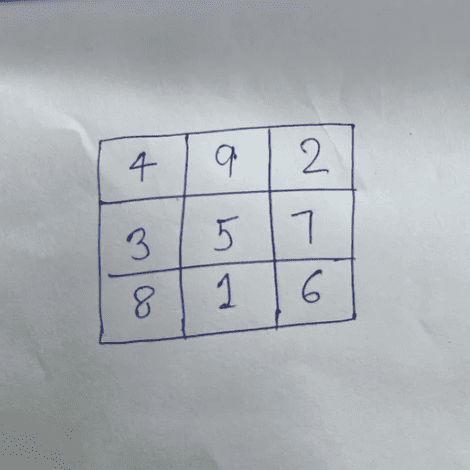
The Pandrah ka Yantra is a mystical tantric diagram used in Hindu astrology and tantra practices. Yantras in general are geometric symbols used for spiritual rituals, meditation, or to invoke certain energies.
People who practice tantra or astrology believe this yantra can help with:
Attracting wealth and prosperity
Success in work or business
Love attraction or vashikaran
Protection from negative energies
Fulfillment of wishes