
MUDRAS
1. Shambhavi Mahamudra
What is Shambhavi Mahamudra?
Shambhavi Mahamudra is a powerful yogic practice rooted in kriya yoga. It is a composite of breath control (pranayama), subtle energy locks (bandhas), and focused internal awareness that brings stillness to the mind and awakens the subtle dimensions of perception. It aligns the practitioner with higher consciousness and opens the gateway to the third eye.
Practiced consistently, Shambhavi Mahamudra awakens dormant energies, balances the nadis, and stimulates the Ajna chakra — often referred to as the seat of divine intelligence and inner vision. But there’s a truth that many overlook:
Shambhavi Mahamudra Siddhi — the full activation and mastery of this technique — can only be achieved through the foundation of Tratak Meditation.
Why Tratak Meditation Is the Key to Shambhavi Mahamudra Siddhi?
Tratak is one of the most potent practices in Hatha Yoga. It involves fixing your gaze steadily on a single point — traditionally a deepak flame — without blinking, followed by internal visualization. This seemingly simple technique purifies the eyes, strengthens the mind, and develops unwavering concentration.
But Tratak is far more than just focus. It activates the pineal gland, clears the subconscious mind, and prepares the practitioner for advanced practices like Shambhavi Mahamudra. It builds the inner stillness and energetic discipline required for the third eye to respond and open.
How Tratak Leads to Shambhavi Mahamudra Siddhi?
1. Strengthens Bhrumadhya Drishti (Third Eye Gaze)
Shambhavi Mahamudra relies heavily on unwavering internal focus at the third eye. Tratak builds this ability naturally, making your gaze one-pointed and effortless — an essential foundation for the mudra to work.
2. Activates the Pineal Gland
The upward gaze in Shambhavi activates the pineal gland, but Tratak conditions the gland through light and stillness, enhancing its receptivity. This synergy leads to faster and deeper energetic shifts.
3. Cleanses the Mind and Enhances Inner Stability
Tratak purifies mental impressions (sanskaras) and creates a silent, receptive mind. This inner stillness is exactly what Shambhavi Mahamudra requires to draw the practitioner’s energy upward into higher awareness.
4. Awakens the Subtle Vision (Divya Drishti)
Practicing Tratak over time leads to subtle visions and internal perception — a direct sign that the third eye is activating. These states are essential precursors to the mystical insights experienced in Shambhavi Siddhi.
Step-by-Step: Using Tratak to Master Shambhavi Mahamudra
Step 1: Begin with Daily Tratak
Use a deepak at eye level, gaze without blinking.
Close your eyes and visualize the flame at the third eye center.
Step 2: Practice Bhrumadhya Drishti
After Tratak, gently raise your closed eyes toward the brow center.
Hold this internal gaze while maintaining awareness of breath.
Step 3: Integrate Breath and Awareness
Once stable in Tratak and drishti, introduce alternate nostril breathing and subtle bandhas (energy locks).
This becomes the preparatory stage of full Shambhavi Mahamudra Kriya.
Consistency matters. A 43-day practice cycle combining Tratak and Shambhavi builds the energetic momentum needed for siddhi (mastery).
What You’ll Experience Through Shambhavi Mahamudra (With Tratak Support)
Expanded awareness and heightened intuition
Balanced nervous system and calm mind
Powerful third eye sensations and inner light
Emotional healing and mental clarity
Profound spiritual insight and bliss states
When Tratak and Shambhavi are practiced in unison, the inner pathways of energy align perfectly, allowing the third eye to blossom into full realization.
Many believe they can master Shambhavi Mahamudra by simply attending a session or learning the technique. But without deep inner focus and visual stability, the real siddhi remains out of reach.
You cannot “perform” Shambhavi — you must become receptive to it.
And that receptivity comes only through consistent Tratak Meditation.
2. Gyan Mudra: The Gesture of Wisdom
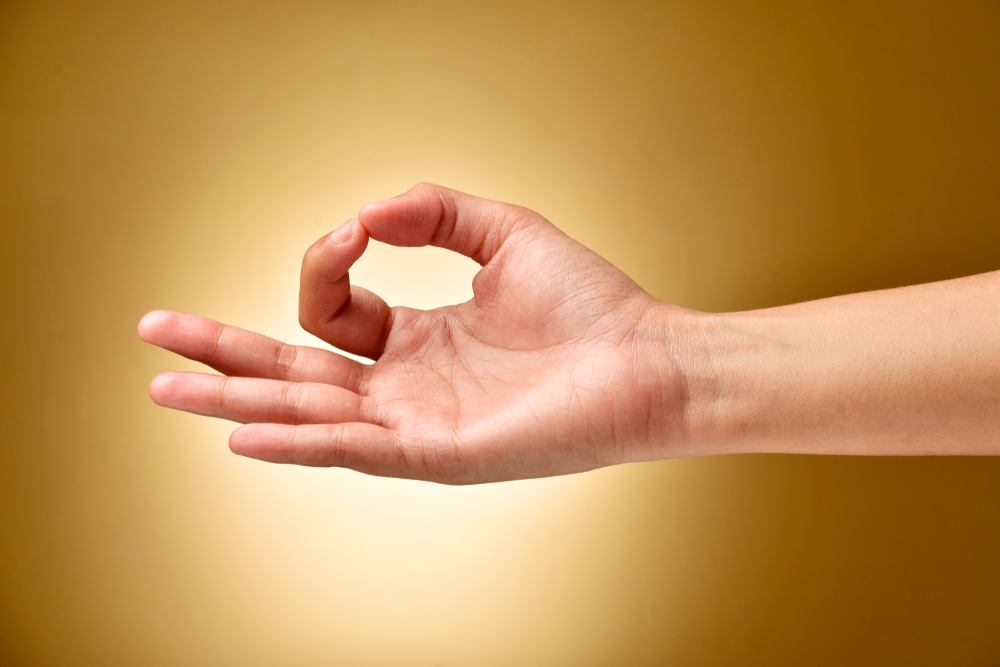
What is Gyan Mudra?
Gyan Mudra – Gesture of Wisdom is one of the most commonly practiced and spiritually significant mudras in yoga and meditation. The term “Gyan” in Sanskrit means “knowledge” or “wisdom,” making this the mudra of intuitive insight and mental clarity.
Often seen in images of yogis, saints, and even deities like Buddha, Gyan Mudra is a symbolic hand gesture that enhances concentration, calms the nervous system, and activates the higher centers of the brain. It is particularly effective during meditation, pranayama, and mantra chanting.
Practiced consistently, Shambhavi Mahamudra awakens dormant energies, balances the nadis, and stimulates the Ajna chakra — often referred to as the seat of divine intelligence and inner vision. But there’s a truth that many overlook:
Shambhavi Mahamudra Siddhi — the full activation and mastery of this technique — can only be achieved through the foundation of Tratak Meditation.
How to Do Gyan Mudra?
Gyan Mudra is simple to practice and can be done by anyone, anywhere. Here’s a step-by-step guide:
Sit comfortably in a meditative posture like Sukhasana, Padmasana, or Vajrasana. Keep your spine erect and body relaxed.
Touch the tip of your index finger to the tip of your thumb.
Keep the other three fingers — middle, ring, and little — extended but relaxed.
Place your hands on your knees or thighs, palms facing upward.
Close your eyes and breathe naturally or follow a breath awareness practice.
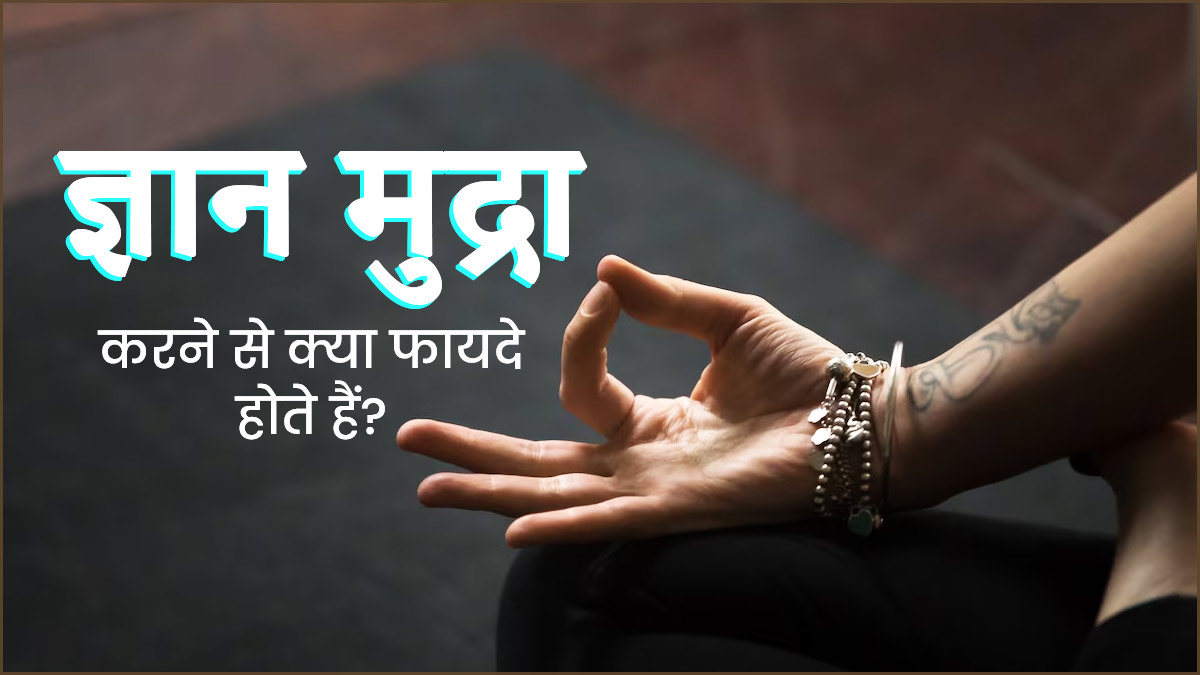
Benefits of Gyan Mudra
Practicing Gyan Mudra regularly offers a wide range of physical, mental, and spiritual benefits, including:
Mental & Cognitive Benefits:
Enhances memory, learning ability, and concentration
Calms anxiety, stress, and emotional turbulence
Stimulates the brain and nervous system
Spiritual & Energetic Benefits:
Activates the Ajna chakra (third eye) and aids in deeper meditation
Promotes spiritual awakening and clarity of thought
Balances the air element (vayu tattva) in the body, responsible for mental functions
Physical Health Benefits:
Improves sleep quality and reduces insomnia
Alleviates tension headaches and fatigue
Helps in balancing the hormonal system and regulating mood
The Science Behind Gyan Mudra
In yogic science, each finger represents one of the five elements:
Thumb – Fire (Agni)
Index Finger – Air (Vayu)
In Gyan Mudra, joining the thumb and index finger harmonizes fire and air, which is believed to balance the nervous system, improve cognitive function, and elevate awareness.
It also stimulates pressure points related to the pituitary and endocrine glands, thus enhancing mental equilibrium and inner peace.
.jpg)
Precautions
Gyan Mudra is generally safe for everyone and has no known side effects.
However, those with severe neurological conditions should practice under guidance.
Always sit with a straight spine to ensure proper energy flow.
Gyan Mudra is more than a hand gesture — it’s a gateway to inner wisdom and higher awareness. By integrating this simple yet powerful mudra into your daily meditation or yoga practice, you can experience profound clarity, peace, and mental strength.
3. Surya Mudra: Awaken Your Inner Fire
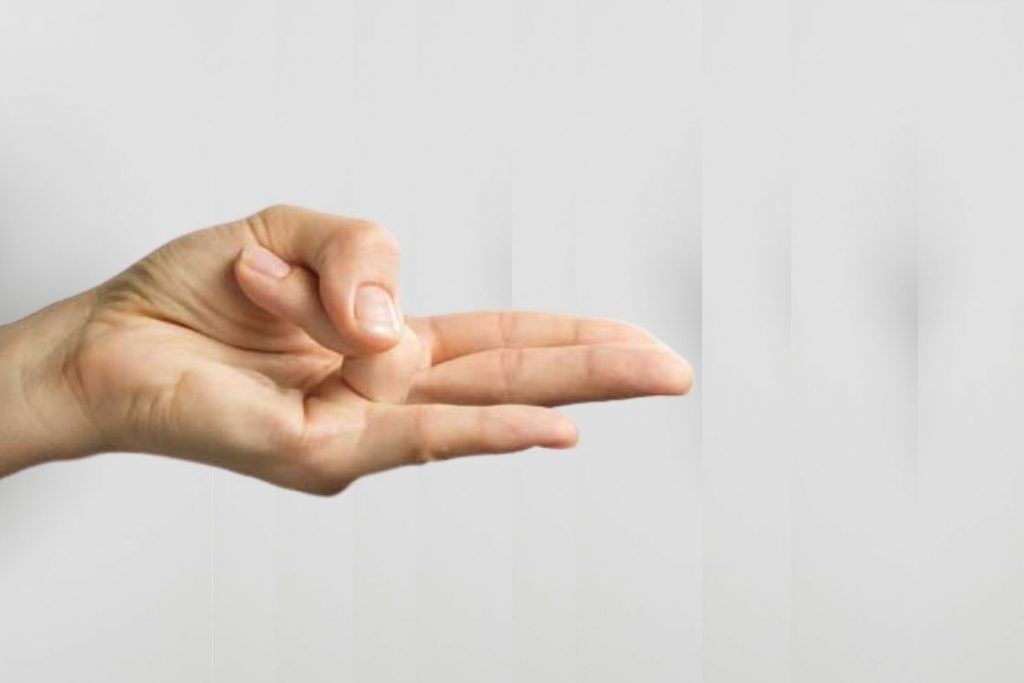
What is Surya Mudra?
Surya Mudra, also known as the “Mudra of Fire”, is a powerful hand gesture used in yoga and Ayurveda to increase the fire element (Agni) in the body. The word “Surya” means “Sun” in Sanskrit, symbolizing energy, vitality, heat, and transformation.
Practicing Surya Mudra regularly helps to stimulate metabolism, burn excess fat, improve digestion, and boost willpower. It is especially beneficial for those looking to manage weight, improve energy levels, and balance the pitta dosha.
More than just a physical gesture, Surya Mudra ignites your inner fire — both literally and energetically — restoring balance and empowering the body-mind system.
How to Do Surya Mudra?
Surya Mudra is simple, accessible, and can be practiced by anyone. Here’s how:
Sit comfortably in a meditative posture like Sukhasana, Vajrasana, or Padmasana. Keep your spine upright and shoulders relaxed.
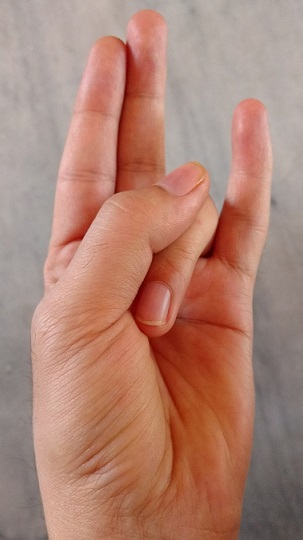
Fold your ring finger down toward your palm.
Gently press the ring finger with your thumb, keeping the other fingers extended.
Place both hands on your knees or thighs, with palms facing upward.
Close your eyes, breathe naturally, and remain still.
Best Time:
Morning or early evening, ideally on an empty stomach for enhanced metabolic benefits.

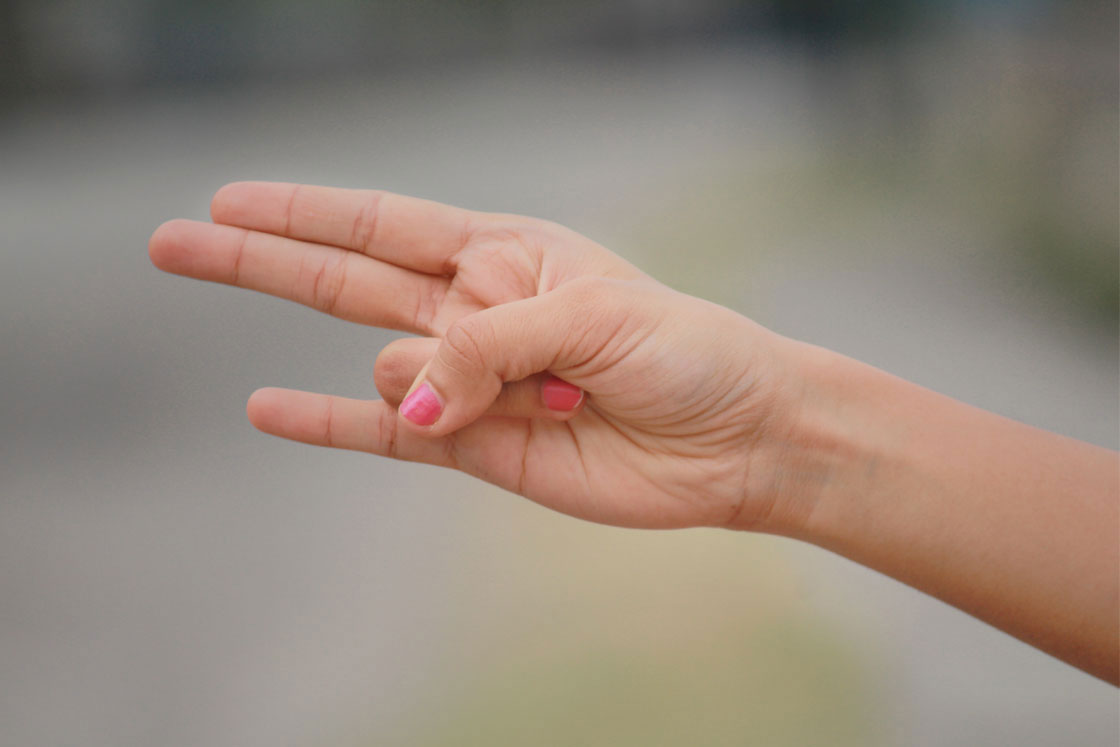
Benefits of Surya Mudra
Practicing Surya Mudra consistently delivers numerous physical, mental, and energetic benefits, such as:
Physical Benefits:
Boosts metabolism and supports weight loss
Improves digestion and relieves constipation or sluggish bowels
Reduces excess body fat and balances body temperature
Enhances blood circulation and oxygen delivery
Energetic & Mental Benefits:
Increases inner vitality and energy levels
Activates the solar plexus (Manipura Chakra), the center of willpower
Promotes mental clarity, courage, and confidence
Helps in overcoming laziness, depression, and low energy
The Science Behind Surya Mudra
In yogic philosophy and Ayurvedic science, the five fingers represent five elements:
Thumb – Fire (Agni)
Ring Finger – Earth (Prithvi)
When the ring finger (earth element) is pressed down by the thumb (fire element), the earth element is suppressed, and the fire element is increased. This adjustment:
Stimulates body heat, improves metabolic functions
Balances the Kapha dosha (earth/water) by enhancing fire energy
Revitalizes sluggish digestion and lymphatic circulation
The energetic activation also influences the Manipura (solar plexus) chakra, igniting willpower and self-discipline — two qualities essential for spiritual and physical transformation.
Precautions
Don’t overdo — excessive heat can lead to dryness or irritation
Always listen to your body; if you feel dizziness or excessive heat, stop and consult a yoga therapist
Not recommended for people with Pitta imbalances or conditions caused by excess heat
Surya Mudra is the yogic switch to activate your internal fire — promoting energy, vitality, weight management, and willpower. It’s a natural, powerful, and side-effect-free technique that empowers both body and mind.
4. Kachhap Mudra: For Inner Peace
What is Kachhap Mudra?
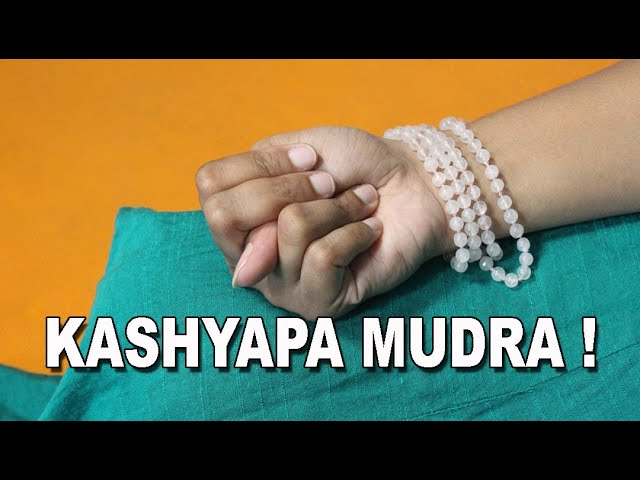
Kachhap Mudra, also known as the Tortoise Mudra, is a lesser-known but deeply powerful hand gesture practiced in yoga and meditation. The term Kachhap (or Kurma) means “tortoise” in Sanskrit — an animal symbolizing stability, longevity, and inner withdrawal.
Just as a tortoise retreats into its shell for protection and stillness, Kachhap Mudra helps the practitioner withdraw their senses from the external world, promoting deep inner silence and spiritual grounding. This mudra is particularly useful for turning inward (pratyahara), calming emotional turbulence, and activating subtle awareness.
In yogic texts, this mudra is also connected with Kurma Nadi, an energetic pathway believed to govern internal stability and transcendental stillness.
How to Do Kachhap Mudra?
Kachhap Mudra requires a specific finger interlock and palm positioning. Here’s how to perform it:
Sit in a comfortable meditative posture like Padmasana, Sukhasana, or Vajrasana. Keep the spine erect.
Place both hands on your lap, palms facing upward.
Interlock your fingers — insert the fingers of your right hand between those of your left, palm to palm.
Now, bring the palms together and gently press them, keeping the thumbs side by side or slightly touching.
Hold this mudra and focus on your breath or third eye (Ajna chakra).
Close your eyes and begin your meditation or breathwork.
Can be practiced during deep meditation, Yoga Nidra, or after pranayama
Benefits of Kachhap Mudra
Though subtle, Kachhap Mudra offers profound psychological and spiritual benefits, especially for those on a meditative or inward-focused journey.
Mental & Emotional Benefits:
Calms anxiety, overthinking, and emotional restlessness
Helps in managing sensory overload and stress
Promotes deep internal silence and mind-body detachment
Spiritual & Energetic Benefits:
Facilitates pratyahara (withdrawal of senses), a key step in the 8 limbs of yoga
Activates Kurma Nadi, aiding in deep meditative absorption
Enhances awareness of the Ajna chakra (third eye) and the subtle body
Cognitive Benefits:
Improves mental clarity and detachment
Helps in controlling impulses, reactions, and distractions
Trains the mind for longer meditation sessions with greater ease
The Science Behind Kachhap Mudra
In yogic symbolism, the tortoise represents withdrawal, resilience, and inner protection. In the Bhagavad Gita, Lord Krishna says:
“As a tortoise draws in its limbs, the wise withdraw their senses from the objects of sense.”
This exactly embodies the essence of Kachhap Mudra. Practicing this mudra regularly helps you “pull back” from the chaos of the external world, allowing your consciousness to stabilize within.
It is also said to stabilize Kurma Nadi, the subtle energetic channel responsible for maintaining spiritual stillness and protecting one’s pranic energy during deep states.
Precautions
Avoid if you have hand joint pain or arthritis — modify the interlock to stay comfortable
Not a dynamic or energizing mudra — it’s better suited for calm, introspective states
Do not force your fingers into tight interlock; comfort is key to sustaining the posture
Kachhap Mudra is the yogi’s tool for inner retreat — a subtle, sacred gesture that trains the senses, mind, and breath to turn inward and remain centered.
Whether you’re a seasoned meditator or just beginning your inner journey, incorporating Kachhap Mudra into your daily routine can help you experience deeper peace, greater emotional balance, and spiritual protection in a world full of distractions.
5. Kuber Mudra: For Abundance, Clarity, and Manifestation
What is Kuber Mudra?
Kuber Mudra is a powerful hand gesture in yoga that symbolizes wealth, focus, and the realization of desires. Named after Lord Kuber, the Vedic god of wealth and prosperity, this mudra is not just about attracting financial abundance — it’s also used to clear mental blocks, sharpen intention, and manifest focused goals.
Practiced with strong intention and clarity, Kuber Mudra aligns your inner vibration with your outer intentions, making it a favorite among yogis, meditators, and even business leaders.
How to Do Kuber Mudra?
Kuber Mudra involves a specific finger arrangement that channels mental energy and focus. Here’s how to practice it:
Sit in a meditative posture (Padmasana, Vajrasana, or Sukhasana) or in a chair with your spine erect.
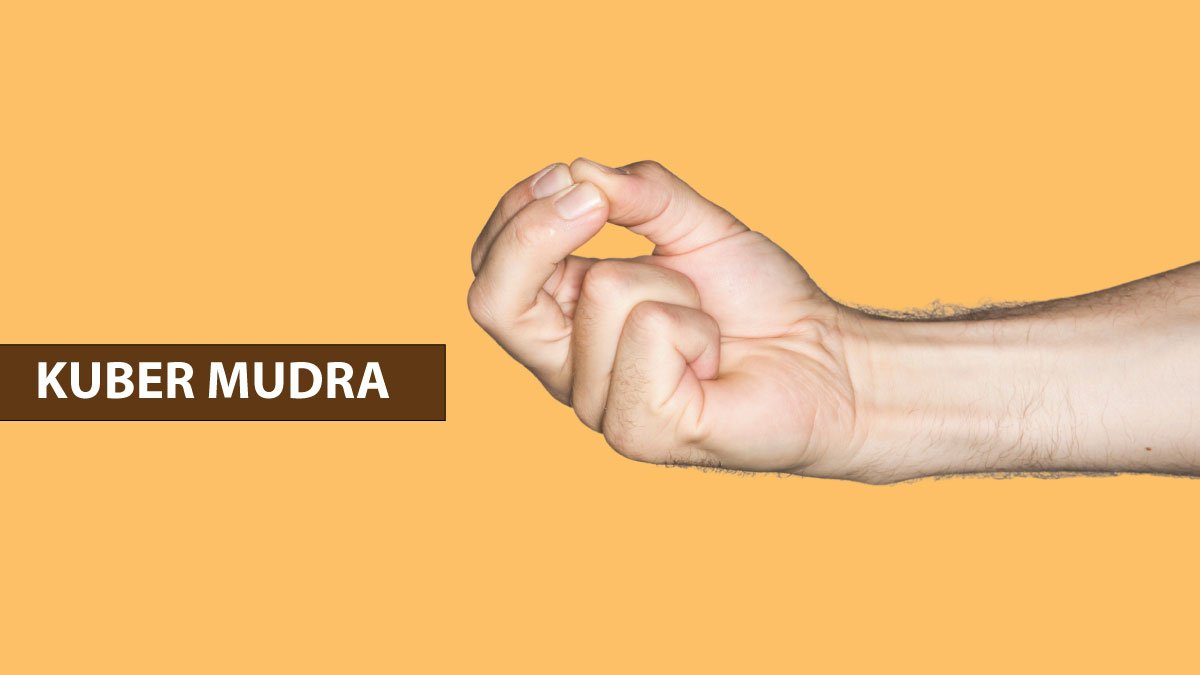
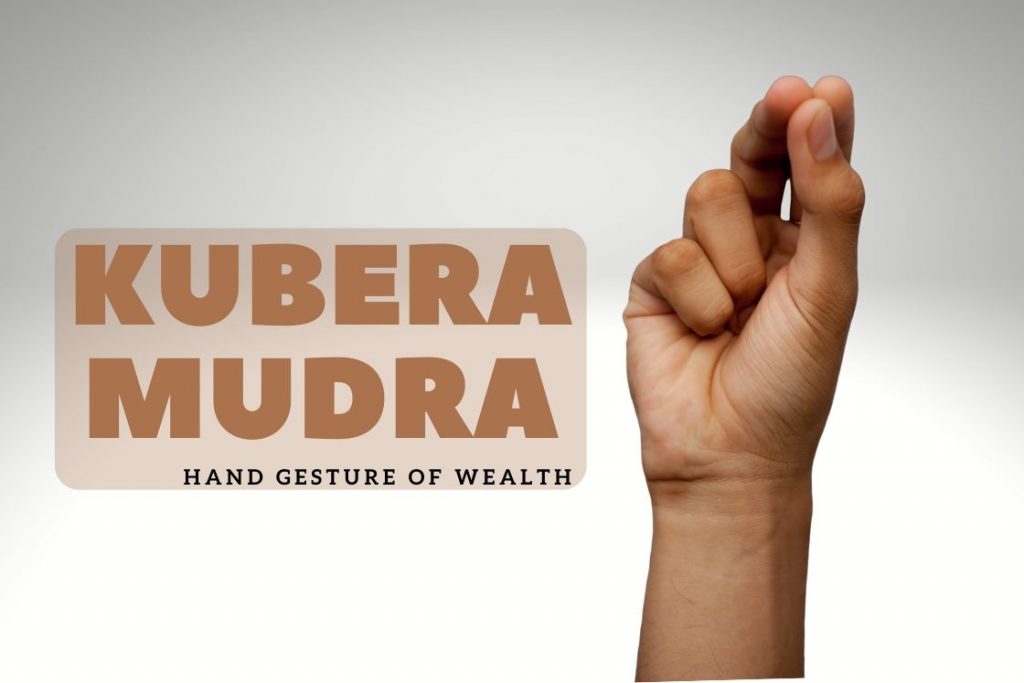
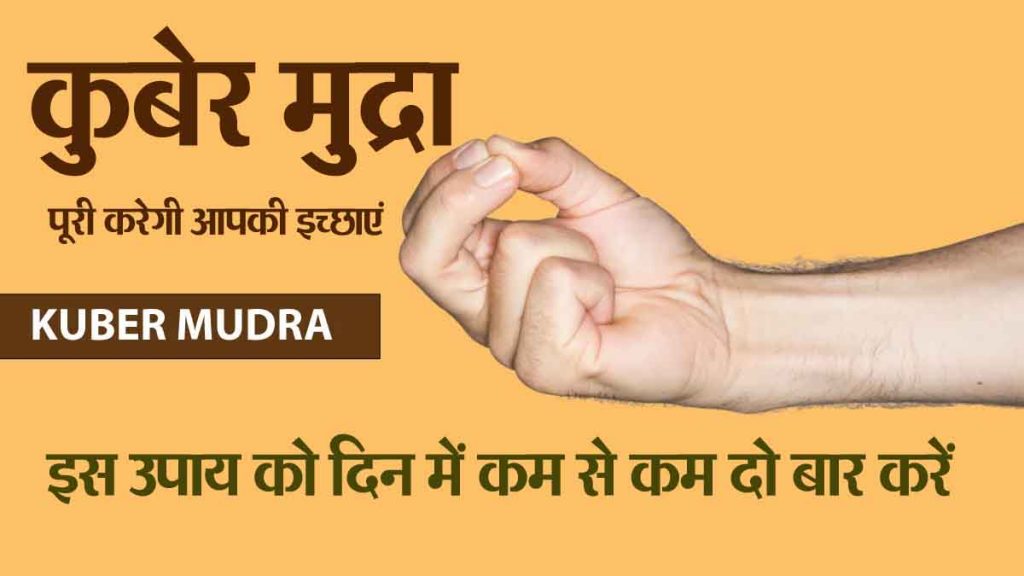
Bring the tips of your thumb, index finger, and middle finger together.
Fold the ring and little fingers inward so they rest at the base of your thumb.
Place your hands on your thighs or knees, palms facing upward or slightly angled in.
Close your eyes and focus on your breath or a specific goal or desire.
Early morning, after affirmations, or before sleep
During visualization or Tratak meditation sessions
Benefits of Kuber Mudra
Kuber Mudra acts like a psychic laser — focusing your inner energy toward clear manifestation, mental clarity, and willpower.
Mental & Emotional Benefits:
Enhances focus, clarity, and intention
Helps in decision-making and problem-solving
Builds confidence and mental strength
Energetic & Manifestation Benefits:
Attracts prosperity, abundance, and goal alignment
Balances the air (Vayu) and space (Akasha) elements, supporting mental expansion
Used in law of attraction and manifestation practices
Spiritual Benefits:
Helps in removing subconscious blocks around money and success
Connects your higher intention with cosmic energy
Enhances the effect of visualization and affirmation-based meditation
The Science Behind Kuber Mudra
Kuber Mudra, named after Lord Kuber—the Vedic deity of wealth and prosperity—is a yogic hand gesture (hasta mudra) believed to attract abundance, clarity of intention, and inner strength. While its spiritual significance is well known, there are also psychological, neurological, and physiological dimensions behind this mudra that explain how and why it may work.
Precautions
Avoid if you have hand joint pain or arthritis — modify the interlock to stay comfortable
Not a dynamic or energizing mudra — it’s better suited for calm, introspective states
Do not force your fingers into tight interlock; comfort is key to sustaining the posture
Kuber Mudra is a powerful yogic tool for focus, clarity, and manifestation. Whether you’re aiming for financial abundance, inner alignment, or visionary success, this mudra aligns your energetic body with your mental will — allowing your desires to materialize more effortlessly.
It’s more than a gesture — it’s a gateway to intentional creation.
Focus. Align. Manifest. With Kuber Mudra.
6. Ashwini Mudra: Awaken the Root of Vitality and Energy
What is Ashwini Mudra?
Ashwini Mudra — also known as the “Horse Gesture” — is a powerful yogic technique involving rhythmic contraction of the anal sphincter muscles. The Sanskrit word Ashwa means “horse,” and mudra means “gesture” or “seal.” This mudra imitates the way a horse repeatedly contracts and relaxes its anal muscles after defecation — a natural way to stimulate energy in the body.
More than a physical movement, Ashwini Mudra activates the root chakra (Muladhara), which governs vital energy, survival instincts, grounding, and reproductive health. It’s one of the simplest yet most potent techniques in Hatha Yoga to preserve and transmute sexual energy into spiritual vitality.
How to Do Ashwini Mudra?
Ashwini Mudra can be done sitting, standing, or lying down. For beginners, sitting in a meditative pose is ideal.
Step-by-step Instructions:
Sit comfortably in Padmasana, Vajrasana, or Sukhasana with your spine straight and shoulders relaxed.
Close your eyes and take a few deep breaths to settle your body and mind.
Contract the anal sphincter muscles (as if trying to hold back bowel movement).
Hold the contraction for 2–5 seconds, then release.
Repeat the contraction and relaxation rhythmically.
Benefits of Ashwini Mudra
Ashwini Mudra offers extensive physical, energetic, and spiritual benefits, making it one of the cornerstone practices in Kundalini and Hatha Yoga.
Physical Benefits:
Strengthens pelvic floor muscles, helpful for both men and women
Prevents and relieves constipation, piles, and prolapse
Aids in urinary control and improves bladder health
Supports postnatal recovery and improves reproductive health
Energetic & Spiritual Benefits:
Activates the Muladhara (root) chakra, promoting stability and security
Assists in kundalini awakening by stimulating dormant energy
Transforms sexual energy into ojas (spiritual energy)
Deepens focus during meditation and breathwork
Mental & Emotional Benefits:
Promotes a sense of groundedness, calm, and inner power
Helps reduce anxiety, fear, and restlessness
Improves self-control and mental discipline
The Science Behind Ashwini Mudra
In yogic tradition, the root chakra is the base of the energetic spine (Sushumna Nadi). Ashwini Mudra awakens this chakra and encourages energy to rise upward, initiating the process of spiritual ascension and inner strength.
This mudra is often used in conjunction with Mula Bandha (root lock) and pranayama to build internal heat and purify the nadis (energy channels). Yogis have long practiced it as a tool for celibacy, vitality, and awakening latent potential.
Precautions
Avoid if suffering from severe piles, recent abdominal surgery, or hernia
Pregnant women should practice only under expert supervision
Do not overstrain or hold the contraction too long in early stages
Always practice on an empty or light stomach
Ashwini Mudra is a simple yet profound yogic technique that awakens your dormant energy, strengthens your base, and lays the foundation for deep spiritual growth. It’s more than muscle control — it’s a gateway to transformation, grounding, and inner power.
Whether you’re looking to improve pelvic health, awaken kundalini energy, or establish meditative stability, Ashwini Mudra is a potent tool that brings you back to your core — both literally and energetically.