

Tratakmeditation.com

Dowsing

Introduction to Dowsing

Dowsing, also known as divining, is an ancient practice that involves using a physical tool to locate unseen objects or energies. While historically associated with the search for underground water, dowsing has evolved into a diverse spiritual and intuitive art that spans the realms of metaphysics, healing, energy work, and even spiritual communication.

The dowser uses subtle energetic cues — believed by some to be extrasensory or intuitive — which cause a physical reaction in the chosen tool. These tools act as amplifiers of unconscious knowledge or intuitive sensing. Though widely debated in the scientific community, dowsing remains popular among alternative healers, mystics, and spiritually curious individuals across the globe.

A Brief History of Dowsing

Dowsing is an ancient practice that spans centuries and cultures. Some of the earliest depictions of dowsing date back to ancient Egypt and China, where pendulums were used for spiritual divination. In Europe, especially during the Middle Ages and Renaissance, dowsers were hired to locate underground water sources, precious metals, and ore veins.

  • 15th Century Germany: Dowsing was commonly used in mining operations to locate silver and other valuable minerals.

  • 17th Century England: Dowsing, or “water witching,” became a rural practice for locating wells.

  • 19th and 20th Century: As interest in spiritualism and metaphysics grew, dowsing evolved into a tool for divination, healing, and energy detection.

Despite centuries of use, dowsing remains controversial. Yet it continues to thrive in both practical and spiritual communities as a method of accessing hidden knowledge and inner guidance.

Types of Dowsing Tools

There are several types of tools used in dowsing, each with its own unique motion and application. The most common types include:

Y-Rods

Traditionally made from branches of hazel or willow, Y-rods were used to locate underground water or minerals. The dowser holds each arm of the "Y" and walk slowly until the tip dipped downward in response to energetic fields.
L-Rods

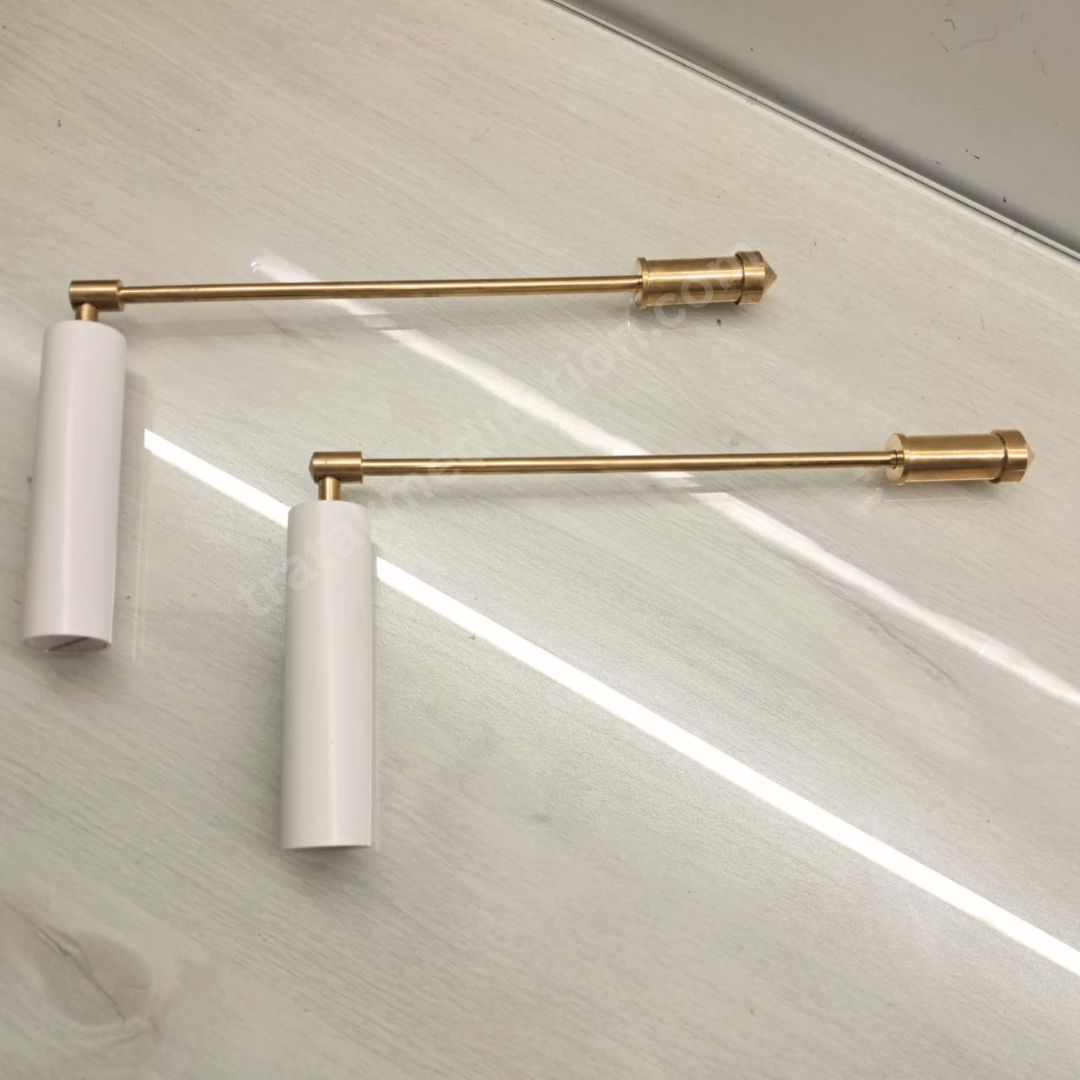
L-shaped rods, often made from copper or brass, are modern tools that are simple to use and highly responsive to energetic shifts. They are particularly popular for space clearing, locating energy lines, or spirit communication.
Pendulums

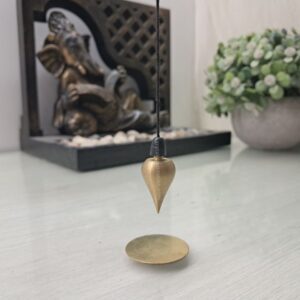
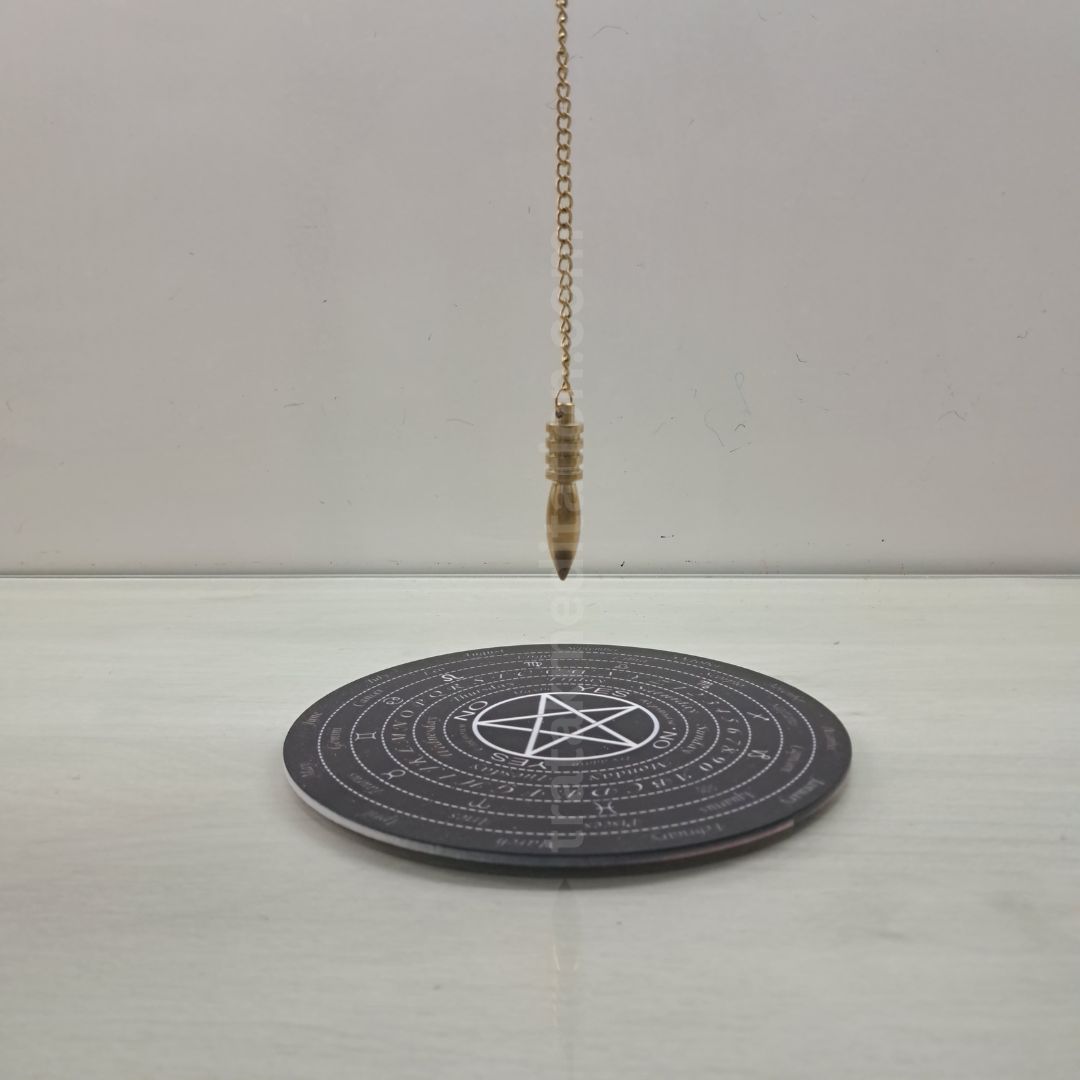
A pendulum is a weighted object suspended from a string or chain. It swings in various directions to answer yes/no questions, identify energy blockages, or guide intuitive decision-making.
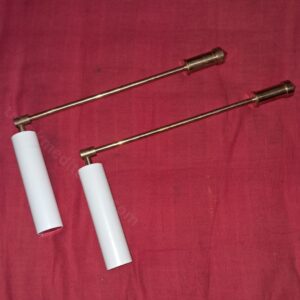
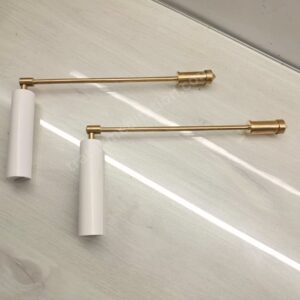
1. L-Rod Dowsing

What are L-Rods?

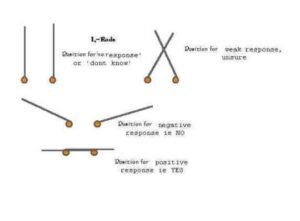
L-rods are L-shaped metal rods typically made from copper, brass, or steel. The short end of the “L” is held lightly in each hand, allowing the longer arms to move freely. When energy fields are encountered — such as water veins, ley lines, or energetic imbalances — the rods will cross, open, or swing in distinct patterns.

How to Use L-Rods?

  • Hold the rods lightly: Grasp the shorter end of each rod loosely in each hand, allowing them to pivot freely.

  • Stand relaxed: Keep your arms bent at 90 degrees, your hands in front of your body, and your posture neutral.

  • Set an intention: Quiet your mind and focus on what you’re searching for (e.g., “Show me the location of the underground water”).

  • Walk slowly: Move slowly and deliberately over the area in question.

  • Watch the movement: As you pass over energetic targets, the rods may cross, swing outward, or shift inward.

Common L-Rod Responses

  • Crossing (forming an X): Indicates the presence of the searched object or energy field.

  • Opening outward: May signify entering or leaving an energetic boundary.

  • Swinging randomly: Can suggest energetic disturbance or confusion.

Uses of L-Rod Dowsing

  • Locating underground water or minerals

  • Identifying ley lines or energy grids in land

  • Detecting energetic blockages in a home or space

  • Communicating with spiritual guides or entities

  • Finding lost objects

Tips for Accuracy

  • Avoid strong winds or nearby electronics that may interfere with results.

  • Practice often to build sensitivity and trust in your tool.

  • Ground yourself before each session for clearer results.

  • Record your results and note patterns over time.

2. Pendulum Dowsing

What is Pendulum Dowsing?

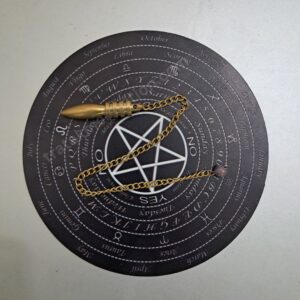
Pendulum dowsing is the art of using a suspended object (the pendulum) to receive intuitive guidance through directional movement. It’s a highly personal and versatile tool used for everything from health checks to spiritual communication.

The pendulum acts like a receiver of intuitive signals. These signals are translated into motion — such as back-and-forth swings, circles, or side-to-side movements — which the dowser interprets.

Choosing a Pendulum

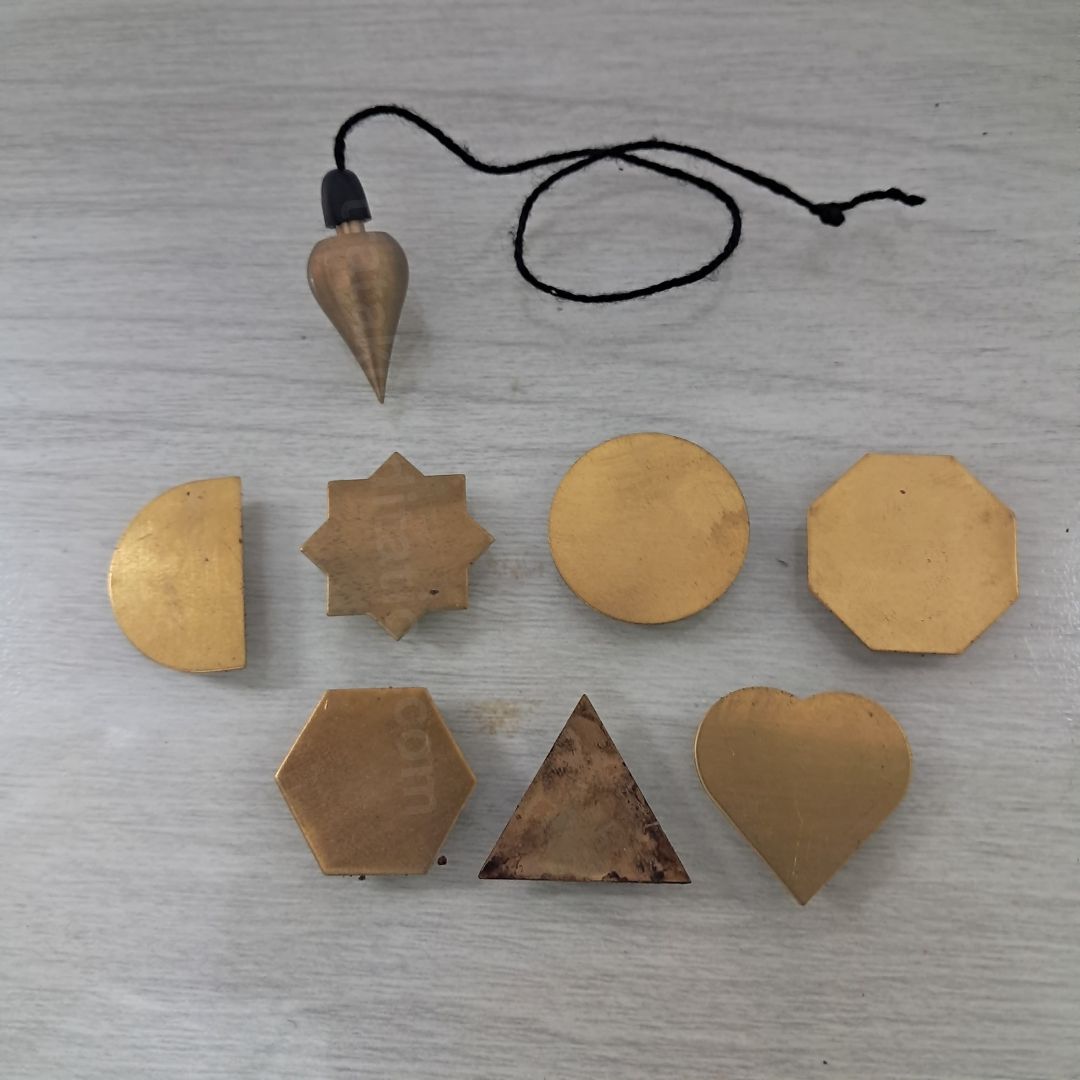
Pendulums can be made of crystals (like amethyst or clear quartz), wood, metal, or even glass. The ideal pendulum should feel balanced in your hand and swing freely. Many dowsers find that the material of the pendulum can enhance specific types of readings:

  • Quartz: Amplifies energy and clarity

  • Amethyst: Spiritual guidance

  • Copper/Brass: Conductive and responsive to energy

How to Use a Pendulum?

  1. Find a quiet space: Center yourself and clear your mind.

  2. Hold the chain or string: Grip it between thumb and forefinger, allowing the pendulum to hang still.

  3. Ask for direction: Establish a “Yes” and “No” movement by asking simple test questions. For example: “Is my name Rishabh?”

  4. Observe:

    • A clockwise circle might mean “yes”

    • A counter-clockwise circle might mean “no”

    • Back-and-forth or side-to-side swings can also be personalized meanings

  5. Ask your question: Keep it clear and specific.

  6. Interpret calmly: Avoid overthinking — let the answer come through observation and intuition.


Common Uses of Pendulum Dowsing

  • Answering yes/no questions

  • Checking energy levels in chakras or body

  • Testing the compatibility of people, foods, or supplements

  • Locating lost items

  • Spiritual communication or past life exploration

Remember this in Pendulum Dowsing

  • Cleanse your pendulum regularly (smudging, moonlight, salt)

  • Store it in a special pouch or box

  • Avoid using it when emotionally charged or fatigued

  • Always state your intention clearly

Dowsing Responsibility

Though dowsing is deeply intuitive, it’s important to approach it with humility and ethical intent. Here are a few guiding principles:

Respect the boundaries of energy — do not dowse others without permission.

Avoid dependency — dowsing is a tool for guidance, not a substitute for personal judgment or professional advice.

Maintain integrity — do not manipulate or misrepresent results for personal gain.

Stay grounded — always cross-reference insights with rational thinking, especially when the stakes are high.

Dowsing
( Advance Course )

( By Yog Guru Shree Ashish Yogi Ji )
We offer guided LIVE Dowsing sessions, personalized coaching, and a complete Dowsing Course to help you accelerate your journey safely and effectively.
  • What is dowsing?

  • History and real-world applications

  • L-Rod vs. Pendulum

  • Ethical use of dowsing tools

  • Overview of what’s ahead in the course

Practice: Guided meditation to center energy

  • Understanding subtle energy fields

  • The dowser’s state of mind: openness, neutrality, clarity

  • Grounding techniques: breathwork, visualization, movement

  • Creating a sacred and interference-free space

Practice: 5-minute energy awareness and sensitivity exercise

  • Anatomy of an L-Rod and proper handling

  • How to hold and walk with rods

  • Setting an intention: the role of clarity and focus

  • Types of rod responses and how to interpret them

Practice: Personal rod calibration (getting “Yes” and “No” signals)

  • Finding objects (keys, crystals, water bottle)

  • Space energy testing (doorways, walls, personal aura)

  • Charting a space with rod movement

Practice: Mapping a room’s energy field (live walkthrough)

  • Dowsing for underground water (conceptual and symbolic practice)

  • Detecting ley lines and energy vortices

  • Identifying energetic blocks in rooms or homes

  • Use of L-Rods in house clearing

Practice: Guided dowsing walk (can be done in garden/home)

  • Choosing or creating your pendulum

  • How pendulums respond (swings, circles)

  • Calibrating Yes/No/Maybe

  • How to phrase questions effectively

Practice: First pendulum Q&A + directional testing

  • Using pendulums for divination

  • Asking personal and practical questions

  • Working with pendulum charts (alphabet, numbers, dates)

  • Trust and neutral mindset while using

Practice: Live Q&A session using pendulum and chart work

  • Using pendulums for energetic health readings

  • Chakra scanning and balancing

  • Compatibility dowsing (food, people, decisions)

  • Pendulum meditation techniques

Practice: Body scan exercise + chakra chart session


  • Asking unclear or emotionally charged questions

  • Repeating the same question over and over

  • Relying too heavily on the tool without grounding

  • Using dowsing for others without consent

  • Using pendulum or L-rod before meditation for clarity

  • Asking internal questions: “What should I focus on today?”

  • Dowsing to choose between meditation techniques

  • Discovering energy centers or blocks needing attention