Shatkarma (also known as Shatkriya) refers to the six yogic purification techniques described in ancient Hatha Yoga texts like the Hatha Yoga Pradipika and Gheranda Samhita. The word “Shat” means six, and “Karma” means action — thus, Shatkarma translates to six cleansing actions.
These practices are designed to purify the body, stimulate energy flow, and prepare the practitioner for higher yogic practices like pranayama, meditation, and kundalini awakening. Without internal purification, subtle energy cannot move freely, and higher states of consciousness remain blocked.
“Shatkarma removes the tamas (impurities), ignites the agni (digestive fire), and awakens the nadis (energy channels).” — Yog Guru Shree Ashish Yogi Ji
Why Shatkarma Is Essential in Yoga?
Prepares the body and mind for asana, pranayama, and dhyana
Removes toxins, phlegm, and blockages from internal systems
Boosts immunity, digestion, and energy levels
Balances doshas (vata, pitta, kapha) according to Ayurveda
Purifies chakras and subtle energy bodies
The Six Shatkarmas Explained
1. Neti
Neti is a technique to cleanse the nasal passages, essential for proper breathing, pranayama, and mental clarity.
Types of Neti:
Jala Neti: Using warm saline water with a neti pot
Sutra Neti: Using a soft rubber catheter or cotton thread
Benefits:
Clears sinuses, treats allergies and cold
Enhances concentration and clarity
Awakens the Ajna Chakra
Prepares for deep pranayama and Tratak meditation
Precautions:
Use sterile, lukewarm, saline water only
Don’t perform when suffering from severe nasal congestion
Learn from a qualified guide initially
2. Dhauti
Dhauti is a set of cleansing techniques that purify the stomach, esophagus, and intestines.
Types of Dhauti:
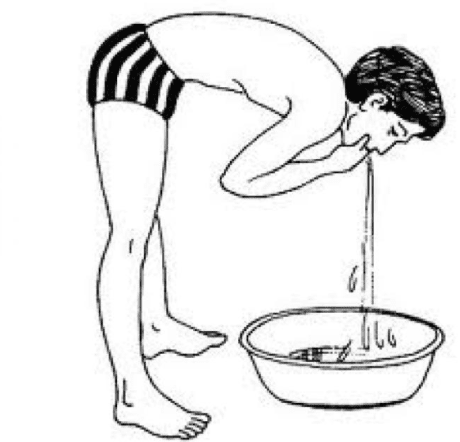
Vamana Dhauti (Kunjal Kriya): Induced vomiting using warm saline water
Vastra Dhauti: Swallowing a long, thin cloth and removing it
Danta & Jihva Dhauti: Cleaning of teeth, tongue, and oral cavity
Benefits:
Removes toxins, excess mucus, acidity
Improves digestion and gut health
Calms mental agitation and emotional blockages
Precautions:
Perform on an empty stomach only
Dhauti Kriya should be done under expert supervision
People with ulcers or severe digestive issues should avoid or consult a teacher
3. Nauli
Nauli Kriya is a dynamic practice of massaging and churning the abdominal organs using the rectus abdominis muscles.
Method:
Uddiyana Bandha is practiced first (abdominal lock)
Then muscles are moved left, right, and in circular motion
Benefits:
Stimulates digestive fire (Agni)
Removes constipation, bloating, and stagnation
Balances solar (Pingala) energy
Strengthens core muscles and digestive organs
Precautions:
Avoid during menstruation, pregnancy, or after meals
Learn under supervision to avoid strain or injury
4. Basti
Basti is a yogic enema technique for cleansing the colon and large intestine.
Types:
Jala Basti: Using water
Sthala Basti: Using air (advanced yogis only)
Benefits:
Flushes toxins and gas from the colon
Balances Vata dosha
Clears blockages in Apana Vayu (downward pranic flow)
Helps in Mooladhara chakra cleansing
Precautions:
Use clean, filtered water and hygienic tools
Avoid excessive practice; once a week is enough
Not suitable for people with IBS or hemorrhoids
5. Tratak
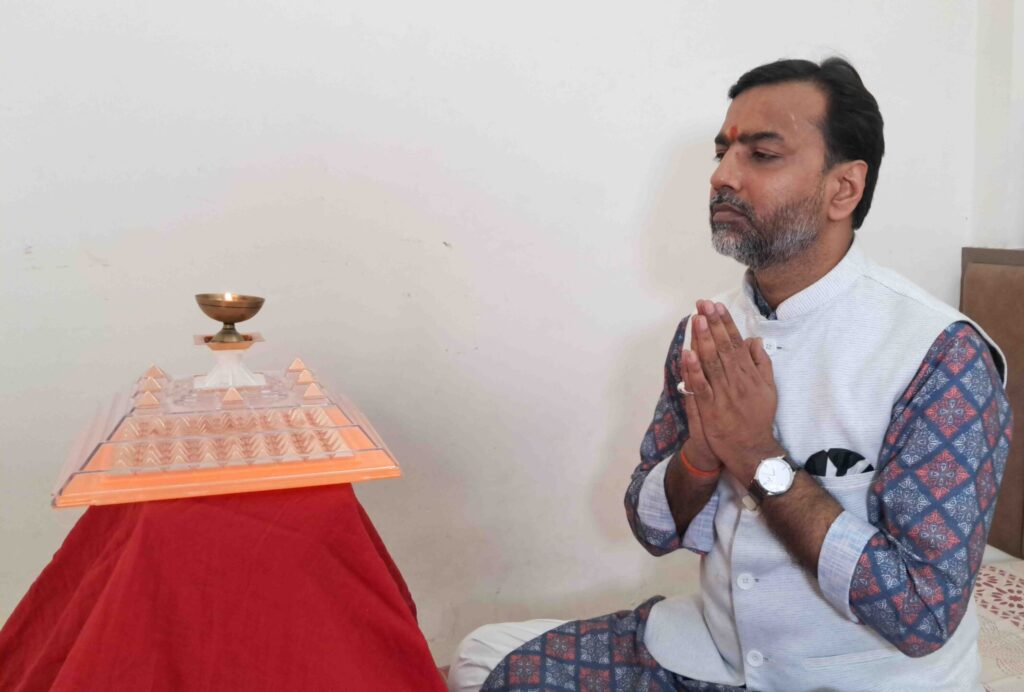
Trataka is steady gazing at a single point (e.g., deepak flame, point etc) without blinking, followed by internal visualization.
Method:
Sit in darkness
Gaze at a flame for 2–3 minutes without blinking
Close eyes and visualize the flame at the Ajna Chakra
Benefits:
Cleanses and strengthens eyes
Removes mental distractions and anxiety
Sharpens Dharana (concentration) and psychic powers
Gateway to Yog Nidra and Shambhavi Mahamudra
Precautions:
Avoid excessive practice if you have weak eyesight
Blink gently if tears form; it’s natural in early stages
6. Kapalbhati
Kapalbhati Pranayama is a forceful exhalation technique to cleanse the cranial region and energy channels.
Method:
Rapid, forceful exhalation through the nose
Inhalation is passive
Practiced in seated meditative posture
Benefits:
Removes CO₂ and mental fog
Activates third eye (Ajna chakra)
Burns fat, boosts metabolism
Awakens dormant prana
Precautions:
Avoid if pregnant or with high blood pressure
Stop if dizziness or discomfort arises
Start with a few rounds under guidance
Shatkarma is a powerful foundation of the yogic lifestyle. It prepares your vessel — body, breath, and mind — for the deeper journey of self-realization and divine connection. When done with devotion, precision, and guru’s guidance, these six yogic kriyas become the keys to unlocking higher consciousness.
“Shatkarma is not just cleansing the body; it is the purification of your karma and consciousness.” — Yog Guru Shree Ashish Yogi Ji
Shatkarma ( Advance Course )
( By Yog Guru Shree Ashish Yogi Ji )
Performing Shatkarma practices at home without proper guidance can be ineffective or even harmful. That’s why Yog Guru Shree Ashish Yogi Ji offers Live Shatkarma Sessions and Online Detox Programs, where you learn:
Under the divine guidance of Yog Guru Shree Ashish Yogi Ji, experience how Yog Nidra can transform your inner world.